


Did you know that in the last decade, the population of York County has exploded by more than 24%, outpacing much of South Carolina and signaling a seismic shift in local perspectives and community identity? This rapid change isn’t just about numbers—it’s about how different generations, backgrounds, and values come together to shape the future
In this comprehensive guide, we’ll dive into the data and conversations transforming York County SC demographics, revealing why understanding these trends is crucial for everyone who calls this area home—or is considering making the move.
Unpacking York County SC Demographics: A Startling New Era
There’s a dynamic transformation underway in York County, South Carolina. Today’s York County SC demographics reveal a remarkable blend of ages, ethnicities, and socioeconomic backgrounds—much different from decades past. With the median age rising and the population becoming more diverse, generational shifts are at the heart of York County’s emerging identity. This isn’t just a story about statistics; it’s about how these shifts are influencing community priorities, outlooks, and day-to-day life in towns from Rock Hill to York itself.
Residents of York County are actively navigating a landscape where population surges, increased diversity, and economic opportunities are changing how people interact, work, and plan for the future. Whether you live in York County, Rock Hill, or surrounding areas, understanding the nuances behind the population of York County, median household incomes, and expanding housing units can help explain new attitudes toward everything from education and home ownership to cultural traditions and civic engagement.
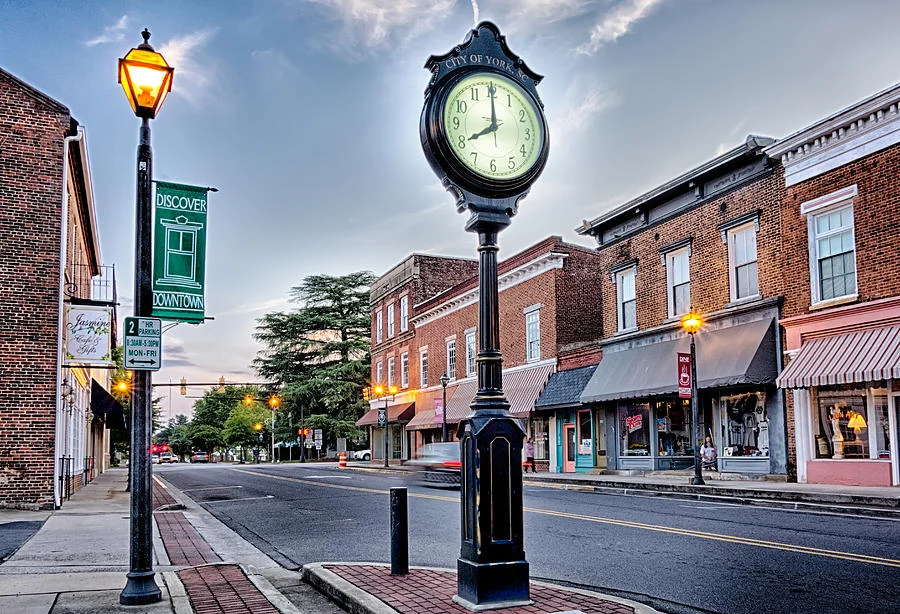
What You'll Learn About York County SC Demographics
How generational shifts are transforming York County SC demographics
Trends in population, household income, and housing units
Changing perspectives on diversity and inclusion in York County
The impact of age, race, and income on local culture and development
York County: An Overview of Population and Historical Growth
To appreciate the significance of these generational changes, it’s important to look at how York County demographics have evolved over the last decade. The county’s population has grown rapidly, drawing new residents from across South Carolina and beyond. The census data reveals not just an increase in numbers, but a subtle aging of the community and a shift toward more diverse backgrounds, especially among younger residents.
This growth has implications for everything from urban planning to school enrollment, as well as economic development and public services. Comparing the historical and present-day numbers reveals the engine behind York County’s changing perspectives: a surge in families, upwardly mobile young professionals, retirees seeking scenic towns, and multicultural newcomers all making their mark on the area’s character.
As York County continues to evolve, these demographic changes are also reflected in the local sports scene, where community engagement and generational interests intersect. For a closer look at how sports are shaping community identity and bringing residents together, explore the latest trends in York County sports and recreation.
Population of York County: Past and Present
Year |
Population of York County |
Population in York |
Median Age |
|---|---|---|---|
2010 |
226,073 |
7,736 |
37.3 |
2020 |
282,090 |
8,503 |
39.1 |
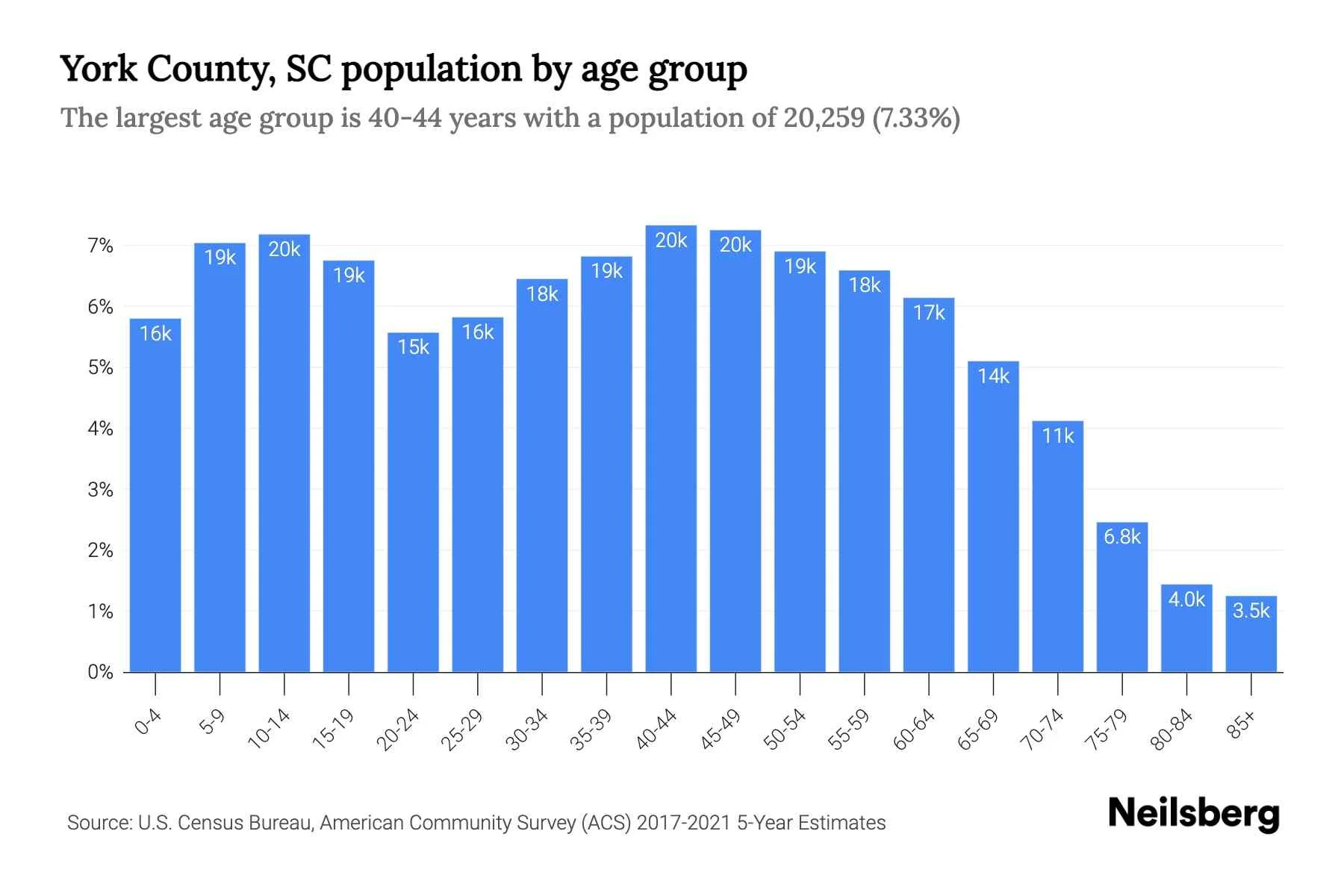
The population increase—about 56,000 more residents in just ten years—illustrates the strong draw of York County for people of all ages. The median age rising from 37.3 to 39.1 years shows York County is both attracting young families and seeing its existing population age, adding to the complexity of generational dynamics now found across local communities like York, Rock Hill, Clover, and Fort Mill.
Generational Shifts: How York County SC Demographics Reflect Changing Values
The generational profile in York County is shifting dramatically. With Gen Z and Millennials rising in influence and Baby Boomers steadily entering retirement, the demographic fabric weaves together vastly different experiences and expectations. This has created new opportunities—and some challenges—as the community embraces innovation and tradition in equal measure.
Whether it’s shifting values around education, technology, or diverse traditions, generational divides are now a central part of the conversation in York County. Understanding these divides, and the ways different age groups interact, helps explain local debates about development, cultural events, and even the way people choose to live in York County today.
The Median Age & Age Groups: From Boomers to Gen Z
According to the latest census data, the median age in York County is just over 39, reflecting both an aging Baby Boomer population and growing numbers of young adults and children. The spread of age groups is balanced, with sizable portions of the population under 18, between 25-44 (especially in rapidly growing areas like Rock Hill), and over 65. This diversity of age shapes everything from local school programs to health care demands, as well as the nature of community festivals and town planning.
Diversity and Inclusion: The Rise of Multicultural Communities
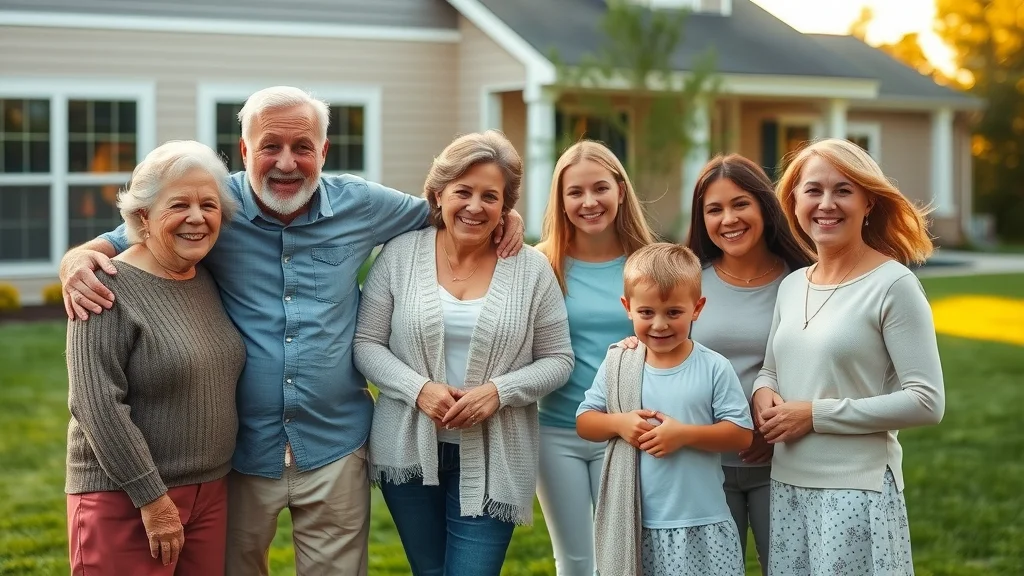
Diversity is now a hallmark of York County SC demographics, particularly among younger generations. While White residents remain the largest demographic group, the local population is increasingly composed of African American, Hispanic, Asian, Pacific Islander, and Native American residents—each bringing unique perspectives and traditions. The county’s schools, workplaces, and civic organizations are now more multicultural than ever, signaling greater inclusion and a broader celebration of heritage.
Much of this shift is visible in community programs, business ownership, and neighborhood events. Particularly, the contributions of Black or African American, Hispanic, and American Indian residents are enriching local culture in ways that can be seen from Rock Hill to smaller rural towns. For many, York County’s ability to adapt and welcome newcomers is part of what makes it an attractive place to live in South Carolina today.
Native American Heritage and the Evolving Demographic Fabric
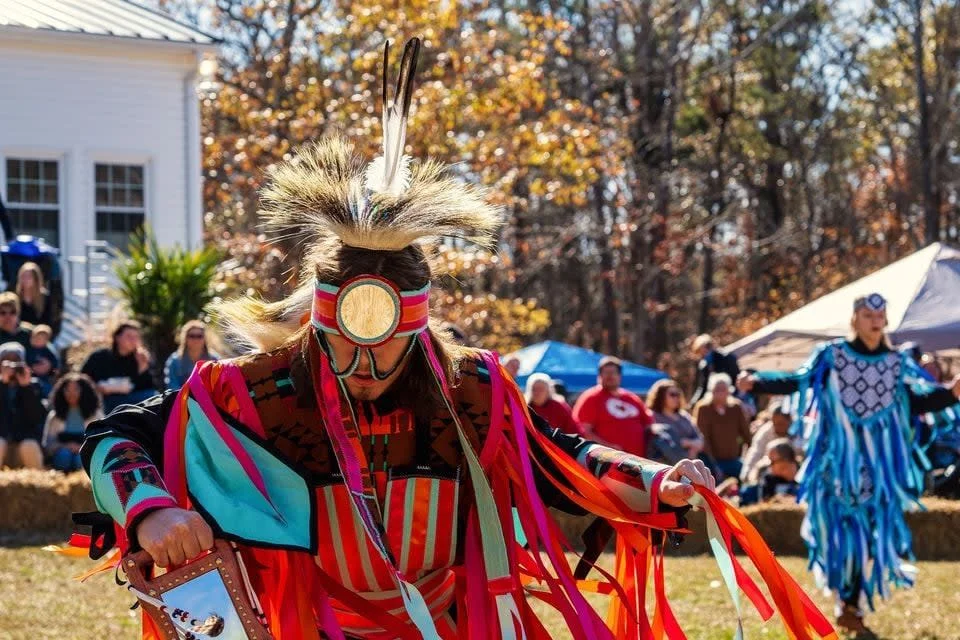
The story of York County is also rooted in its original inhabitants. Native American communities, notably those with American Indian or Catawba Nation heritage, remain a vital part of the county. Modern census data reflects not only their ongoing presence, but also an increasing recognition and pride in Native American history, celebrated in local heritage festivals, school curriculums, and cultural centers. The evolving demographic fabric now includes people with ties to tribes and ancestry that reach far beyond the borders of South Carolina, weaving together a richer, more complex local identity.
“York County’s diversity has become its strength, bridging generational understanding.” – South Carolina Demographer
Socioeconomic Status: Examining Household Income in York County SC Demographics
Economic vitality is another defining characteristic of York County SC demographics. The area is home to a broad range of household incomes, with a median household income consistently above the state average and approaching national averages. This diversity in income supports a thriving middle class, while also highlighting pockets of economic disparity that leaders are working to address.
YorK County’s mix of high-earning enclaves in places like Fort Mill, alongside more affordable, blue-collar neighborhoods, means the county has a spectrum of opportunity. However, the distribution of this wealth—and challenges around affordable housing—remains a central question for planners and policymakers. Understanding the county’s household income levels sheds light on spending power, educational participation, health outcomes, and future population growth.
Median Household Income & Household Income Distribution
Income Range |
Percent of Households |
|---|---|
Under $50,000 |
32% |
$50,000-$99,999 |
39% |
$100,000 and above |
29% |
Nearly 70% of York County households earn at least $50,000 per year, pointing to relative affluence compared to many South Carolina regions. At the same time, about a third of households are under that threshold, which means issues like affordable housing, access to services, and food security are still relevant topics for local discussions.

South Carolina Context: Comparing York County SC Demographics to Statewide Trends
Comparing York County to the broader South Carolina landscape highlights both unique strengths and ongoing challenges. The area’s faster population growth, higher median household income, and greater diversity among youth set it apart from more rural or slower-growing counties such as Cherokee County or Gaston County. These trends also make York County a bellwether for regional development and demographic shifts throughout the Carolinas.
When viewed alongside nearby regions—like Mecklenburg County in North Carolina or suburban areas near Charlotte—the county’s growth trajectory and income levels mirror those of prosperous suburbs, even as it maintains much of its historic and rural character. These factors influence everything from school investment to business growth and long-term planning.
How York County Compares to the Rest of South Carolina
Higher median household income in York County than state average
Greater ethnic diversity amongst younger generations
Faster population growth compared to most South Carolina counties
Housing and Community: York County SC Demographics in the Local Market
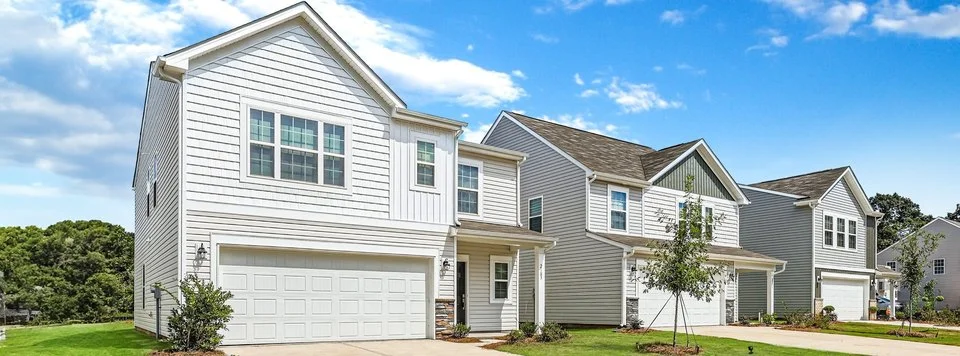
Housing and community structure are evolving rapidly in concert with the rest of these demographic shifts. The number of housing units has climbed significantly, with new construction and redevelopment of older neighborhoods to accommodate younger residents, families, and active retirees alike. The balance between owner-occupied and renter-occupied homes, and the types of housing available, are key indicators of local affordability, stability, and overall community health.
Many newcomers are buying homes in modern subdivisions on the outskirts of York, Rock Hill, and Fort Mill—but rental housing remains important, especially for young professionals just starting out. Understanding the trends behind local housing unit counts and occupancy rates gives insight into who can afford to live in York County, and how lifestyle preferences are shifting over time.
Housing Units, Occupancy, and Owning vs Renting
Year |
Total Housing Units |
Owner-Occupied (%) |
Renter-Occupied (%) |
|---|---|---|---|
2020 |
113,250 |
72 |
28 |
Nearly three-quarters of all homes in York County are owner-occupied, reflecting aspirations for long-term stability and wealth-building among residents. The remaining 28% renting points to a still-substantial, flexible rental market catering to students, recent graduates, and people relocating for work within or around the South Carolina upstate area.
Key Insights: Perspectives from Experts and Residents
As York County SC demographics continue to evolve, the perspectives of local leaders and residents highlight both optimism and the need for adaptation. Community organizations, government officials, and long-time families agree that these changes are ushering in an exciting but challenging era for everyone in the region.
These voices are shaping how the community approaches inclusivity, infrastructure, education, and economic growth, making York County one of the most dynamic places in the region.
"The future of York County will be shaped by how we embrace generational and demographic change." – Local Community Leader
A Data-Driven Tour of York County’s Shifting Population
Take a visual journey through animated map transitions showing population growth, as well as vintage and contemporary scenes from local neighborhoods, parks, and public schools. The video features testimonials from residents, dynamic infographics that highlight rising diversity, age changes, and housing trends, and a concise, compelling voiceover. These visuals bring the breakdowns behind the numbers to life, showing the new faces of the community and the energy of its evolving identity.
People Also Ask: York County SC Demographics in Focus
What is the crime rate in York County SC?
Crime Rate Trends and Community Impact
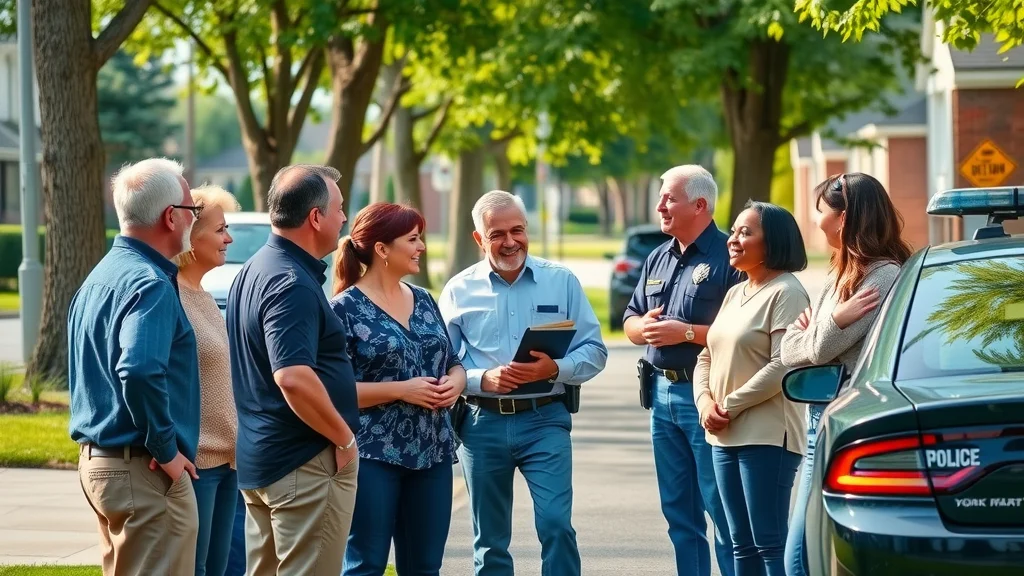
York County generally enjoys a lower crime rate than many other parts of South Carolina and the national average. Property crime—like theft and vandalism—does occur, but violent crime rates are consistently below state and regional averages, according to recent census bureau statistics and local law enforcement data. Community engagement, neighborhood watch programs, and proactive policing strategies contribute to feelings of safety among residents of York County. This, in turn, helps preserve property values and community trust, especially in highly active neighborhoods of Rock Hill and York.
Is York County, SC a good place to live?
Quality of Life: Schools, Health, and Opportunity
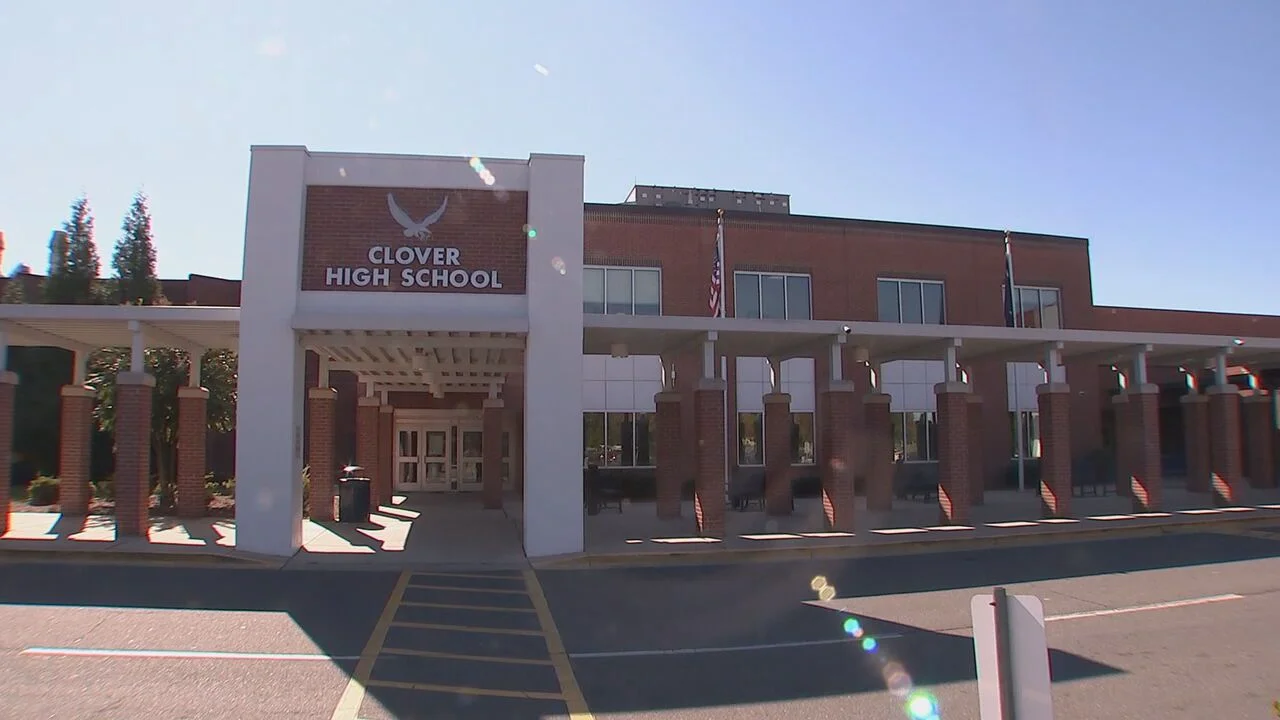
Residents widely consider York County a great place to live. The area boasts well-rated public schools (with close ties to institutions like Winthrop University), expansive green spaces, and a fast-growing job market tied to both Charlotte, North Carolina, and the broader upstate. Health care systems are modern and accessible, while amenities, shopping, and recreation opportunities draw both young families and retirees alike. Its unique blend of affordability and opportunity helps explain continuing in-migration and sustained demand for local housing units.
What is the average income in York County?
Understanding Median Household Income
Recent figures indicate that the median household income in York County is roughly $75,000, which outpaces both state and national averages. Several factors drive this trend: proximity to major metros, robust local industry, and an influx of well-educated residents moving from larger urban areas. Income disparities do exist, but most families find earnings go further due to reasonable cost of living.
What is the poverty rate in York South Carolina?
Assessing Poverty and Economic Disparities
The poverty rate in York County stands at about 10%, lower than both the South Carolina and national averages. While most residents live above the poverty line, certain groups—especially single-parent families and the elderly—experience greater hardship. Local policy efforts and non-profit organizations are focused on closing these gaps through housing support, job training, and food security programs, ensuring even the most vulnerable residents have opportunities to thrive.
Resident Stories on Changing York County SC Demographics
In our short documentary, residents of all ages—Boomers, Millennials, Gen Z, and those with deep Native American roots—share their perspectives on what makes York County special, and how generational change is influencing their lives and expectations. Their stories reinforce how cultural exchange, community events, and shared spaces are helping bridge gaps and inspire a sense of belonging for everyone.
FAQs: York County SC Demographics and More
What age group is growing fastest in York County?
Young professionals and families (ages 25–44) represent the fastest-growing segment, fueled by new job opportunities and affordable housing.How has the racial makeup of York County shifted in the last decade?
The Hispanic, Asian, and African American communities have seen notable increases, and younger generations are the most diverse ever recorded by local census data.Does population growth impact local resources?
Yes. Increased demand for schools, health care, and infrastructure means York County is actively investing in new services to balance growth with quality of life.
Key Takeaways from York County SC Demographics: Generational Insights
York County SC demographics are increasingly diverse and youthful.
Income and housing trends reflect economic vitality and challenges.
Resident perspectives align with broader generational shifts.
Looking Ahead: Shaping York County’s Future Together
York County stands at a crossroads—embracing change, celebrating diversity, and uniting generations to ensure a thriving, inclusive future for all residents.
As you reflect on the evolving landscape of York County, consider how these demographic shifts are influencing every aspect of community life—from local traditions to economic opportunities. Exploring these broader trends can provide valuable perspective on how York County continues to adapt and thrive. For those eager to stay ahead of the curve, understanding the interplay between demographics and community engagement is key to shaping a vibrant future in this dynamic region.




Write A Comment