Add Row
Add Element
cropper
update
York County Spotlight
update
Add Element
  • Home
  • Categories
    • Spotlights
    • Expert Insights
    • Events
    • Life in York County
    • School News
    • Food
February 11.2026
1 Minute Read

How York County Preserves Its History While Growing

Did you know that more than 150 historic properties in York County, SC, have been saved or documented in the past two decades—right as the region’s population has surged by over 40%? That balancing act between preserving yesterday and building tomorrow puts York County at the forefront of the national conversation on community growth versus heritage protection

A Surprising Look at York County SC Historic Preservation Efforts

How does a region renowned for its historic battlefields, mill towns, and unique brick architecture keep its character when faced with urban sprawl and modernization? That’s the question at the heart of york county sc historic preservation—a challenge tackled by the historical society, dedicated volunteers, heritage museums, and everyday citizens

This effort is far from superficial. Organizations deploy tools such as the sanborn map archive, exhaustive research requests, and detailed insurance maps—safeguarding stories brick by brick. Community leaders advocate for farmsteads as passionately as modern city leaders champion new development. In York County, even the most unassuming structures, such as an old cotton gin or a voter registration house, are documented and, when possible, preserved. This meticulous approach is making the county a model for balancing preservation and progress—pointing the way for other rapidly changing areas, not just in South Carolina but nationwide.

For those interested in how local sports venues and community events also play a role in shaping York County’s evolving identity, you can discover more about the intersection of heritage and recreation in this feature on York County’s sports scene. These activities often take place in historic districts, further blending preservation with modern community life.

Dynamic aerial view of downtown York County, SC showing a blend of historic buildings and new developments, illustrating york county sc historic preservation

What You'll Learn About York County SC Historic Preservation

  • How York County balances historic preservation with growth

  • Notable roles of the historical society and heritage museums

  • The impact of resources like the historical center and sanborn map archives

  • Challenges: research requests, insurance maps, urban sprawl

  • Expert quotes on the future of York County SC historic preservation

The Heart of York County: A Rapidly Changing Center

Downtown York and the city of Rock Hill serve as the vibrant, rapidly evolving cores of York County. Every corner seems to reflect a unique partnership between the old and the new. Historic facades stand shoulder to shoulder with sleek modern buildings; beloved landmarks like the McCelvey Center and the heritage museums host school children beside tech entrepreneurs seeking co-working spaces. This fusion illustrates how the identity of York County is being defined in real time.

But growth has a flip side—increased pressure on the built environment. As demand for new housing, commerce, and infrastructure rises, so too does the risk that historical treasures might be lost amid the rush. The county council and departments, working alongside the historical society and community advocates, are proactively mapping, cataloging, and championing sites worth preserving. Here, the historical center of York becomes invaluable, providing a centralized resource for plans, historical documents, and a meeting ground for advocacy.
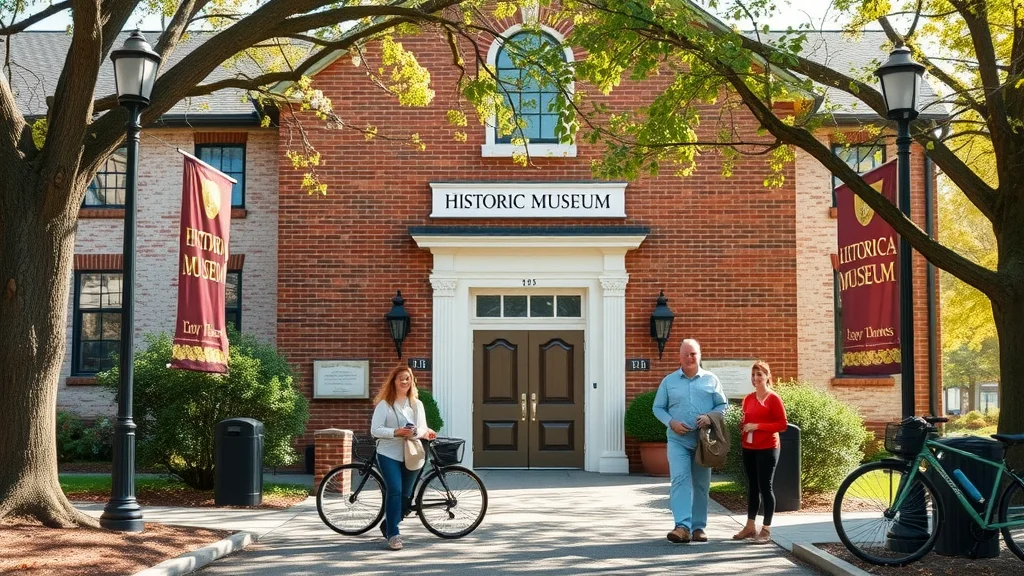
Visitors arriving at a welcoming historical museum entrance in York County, SC, symbolizing community engagement in historic preservation

Rock Hill's Revival and the Historical Society’s Role

Rock Hill, the largest city in York County, exemplifies the modern revival of downtowns through careful historic preservation. The Rock Hill Historical Society works closely with the City of Rock Hill and development agencies to ensure every new project considers the past. Adaptive reuse projects, such as converting old textile mills into vibrant apartment communities and trendy restaurants, showcase how collaboration fuels both economic vitality and cultural remembrance.

The historical society and heritage museums lead educational programs, curate exhibits, and sponsor walking tours highlighting historic properties. These initiatives foster local pride and encourage both residents and newcomers to appreciate the diverse narrative that built York County. As a result, Rock Hill’s transformation isn’t just about modern amenities—it’s a living showcase of how old and new coexist with intention.

Preserving History: Tools and Tactics in York County SC Historic Preservation

  • The importance of research requests for documenting sites

  • Utilization of insurance maps and the sanborn map archive

  • Access to the search room and specialty archives

  • Partnerships with heritage museums, the historical society, and center of York County

How the Historical Center and Research Requests Work

The historical center of York is more than an archive—it’s a dynamic hub for investigative research, site documentation, and genealogical discovery. Local historians, families researching their ancestry, and developers alike benefit from the access granted to specialty collections. Here, the search room stands out, stocked with rare books, old newspapers, property deeds, and the coveted insurance maps that detail structures block by block.

Making a research request is straightforward but invaluable. Individuals can submit queries about specific properties, historical figures, or neighborhoods, and trained staff and volunteers will gather and interpret documents from the sanborn map archive, census rolls, or voter registration lists. These requests inform everything from home restoration to city zoning decisions—supporting efforts large and small to keep York County’s history intact for future generations. The thoroughness of these processes, especially when cross-referenced with the vast usc digital collection, means that even minor details—such as fire insurance risks or architectural changes—are available for those intent on preserving the region’s full story.

Local historian reviewing archival maps and documents in the York County SC historical center

Growth vs. Preservation: Case Studies in York County SC

Project Name

Location

Goal

Preservation Outcome

Historic Cotton Factory Renovation

Downtown Rock Hill

Adaptive reuse as mixed-use development

Preserved original façade; interior exhibits mill memorabilia in public space

Bethel Schoolhouse Conservation

Rural York County

Historic education site protection

Stabilized building, added interpretive signage, opened for tours

Catawba Riverfront Urban Plan

South Carolina–York County Border

Riverfront park with growth buffer

Set aside acreage for historic landscapes and archaeological studies

Anderson House Restoration

Downtown York

Private home, public garden

Restored with period materials; grounds used for local events

Fort Mill Main Street Revitalization

Fort Mill

Increase retail and residential use

Maintained historic storefronts; integrated new signage with traditional materials

“York County stands as a testament to how a community can grow without erasing its past.” – Local historian, York County Historical Society

The Role of South Carolina's Heritage Museums in Shaping York County SC Historic Preservation

The culture and heritage museums of York County are more than just custodians of artifacts—they operate as lively centers for community identity and momentum. Museums like Historic Brattonsville host immersive re-enactments, seasonal festivals, and “behind-the-scenes” research sessions in collaboration with the historical society and local schools. These activities don’t only preserve the past; they inspire ongoing stewardship by making history tangible and relevant to young and old alike.

Importantly, these institutions serve as a bridge between technical preservation and grassroots involvement. Their public programs often highlight the vital role of the search room and digitized archives, inviting the public to explore, question, and engage with York County’s layered narrative. Through exhibitions showcasing rare insurance maps, city directories, and recently collected oral histories, heritage museums become dynamic conversation starters about the direction of both preservation and growth in the county—and across South Carolina.
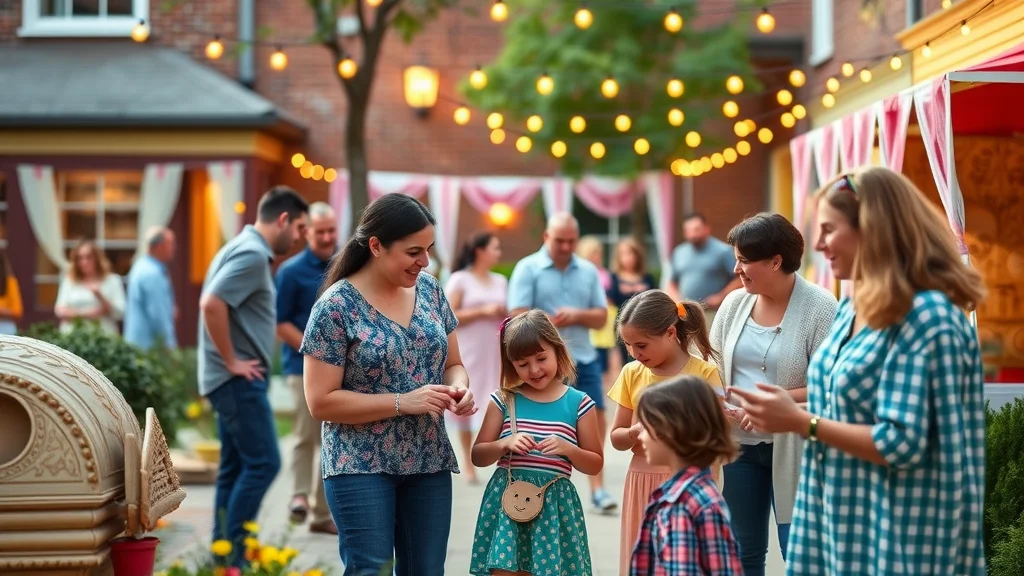
Community participating in a lively heritage festival at a York County SC museum, showing families learning about historic preservation

Engaging the Community: How Residents Can Support York County SC Historic Preservation

  1. Visiting and volunteering at heritage museums and the historical center

  2. Submitting research requests and supporting local archives

  3. Participating in advocacy groups for historic sites

  4. Using resources like the search room and sanborn maps

  5. Educating others on the value of historic preservation in York County SC

Take a moment to enjoy this stunning video montage—a visual exploration of York County’s best-preserved landmarks, with sweeping shots of downtown facades, museum exhibits, and conservation efforts from dawn to dusk. Experience the textures, the colors, and the dedicated people behind each restored site.

FAQs: York County SC Historic Preservation

  • What qualifies a site for historic preservation in York County SC?
    Eligibility generally depends on a site’s age, architectural uniqueness, and its role in local events or culture. The historical society, in tandem with the historical center and county historic review boards, assesses whether properties are listed in archival resources like the sanborn map archive, or historically significant according to town records and oral histories.

  • How do I access the historical center or submit a research request?
    The historical center of York County is open to the public on select days, offering access to the search room, collection catalogs, and a helpful staff. Submission of official research requests can typically be done online or in-person, with assistance in navigating insurance maps and genealogical archives.

  • What is the importance of sanborn and insurance maps to preservation?
    Sanborn maps and insurance maps provide invaluable snapshots of property lines, structural details, and even materials used in buildings across the years. This data is critical for preservationists, guiding decisions on renovations, eligibility, and restoration methods that align with historical authenticity.

  • How does York County balance urban sprawl with heritage protection?
    Balancing sprawl with preservation demands ongoing advocacy, clear zoning ordinances, and strong partnerships—particularly among the county council, planning boards, and community associations. Creative development, prioritizing adaptive reuse and the integration of historic properties into new plans, keeps heritage protection at the forefront of York County’s growth strategy.

Key Takeaways on York County SC Historic Preservation

  • Balancing growth and preservation is possible with community commitment.

  • Heritage institutions play a central, evolving role.

  • Research and public engagement are essential to safeguarding history.

People Also Ask About York County SC Historic Preservation

How is York County addressing historic preservation amid rapid growth?

York County approaches historic preservation with a multi-pronged strategy that integrates careful urban planning, the expertise of the historical society, and the direct involvement of the public. By utilizing resources such as the center of York County and the search room for community research requests, the county ensures historic data informs every stage of development. Ongoing partnerships with heritage museums and advocacy groups help maintain public awareness, while smart zoning practices guide new growth to respect historic landscapes. The result: Rock Hill and surrounding areas are thriving, not by erasing their past, but by building upon it.

Community advocates collaborate during a historic preservation meeting in York County SC to plan for sustainable growth

What are the biggest challenges for historic preservation in York County SC?

The leading challenges include rapid urbanization, limited funding for preservation projects, and the pressure to convert historic land for commercial use. Navigating research requests, maintaining accurate records in the historical center of York, and keeping up-to-date insurance maps all require significant time and resources. Additionally, tackling the misconception that preservation stifles progress—rather than enhances it—is an ongoing battle. Ultimately, fostering greater understanding and investment among residents and local policymakers remains pivotal.
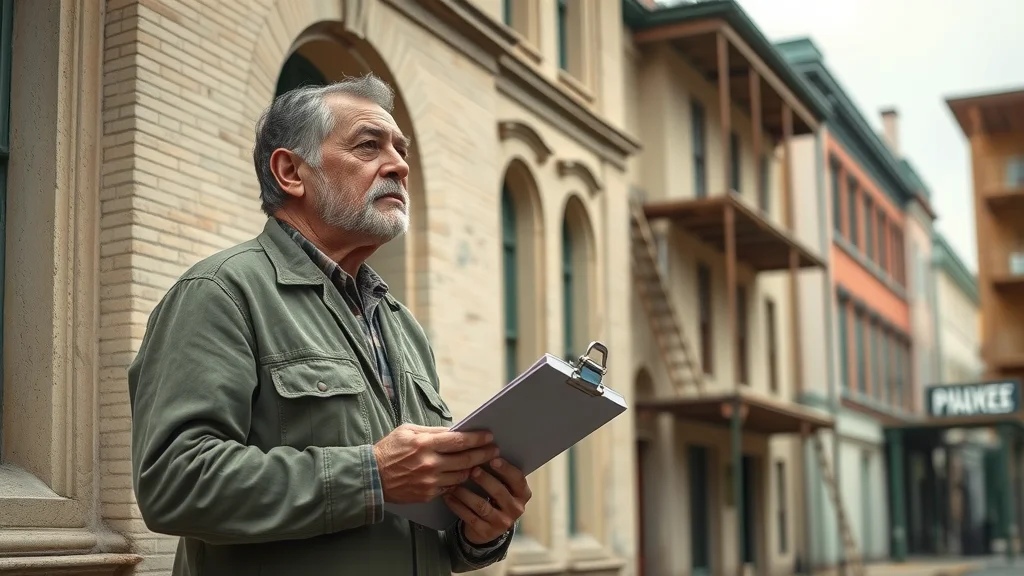
Preservationist assessing the condition of a historic building at risk in York County SC, highlighting challenges in historic preservation

Shaping the Future: Your Chance to Support York County SC Historic Preservation

If you’re inspired by York County’s journey, remember—preserving history starts with everyday decisions and community involvement. Visit a museum, volunteer your time, submit a research request, or share your family’s story. Together, we can ensure York County, SC, remains a place where growth and heritage continue to thrive side by side.

As you reflect on York County’s commitment to honoring its past while embracing the future, consider how these preservation efforts connect to the broader cultural and recreational landscape of the region. Exploring the county’s vibrant sports and community events scene can offer a fresh perspective on how tradition and progress intersect in daily life. For a deeper dive into the dynamic ways York County’s identity is shaped both on and off the field, take a look at this in-depth overview of local sports and community engagement. It’s a compelling next step for anyone eager to understand the full spectrum of what makes York County unique.


Life in York County

0 Comments

Write A Comment

*
*
Related Posts All Posts
02.13.2026

Is York County SC property taxes the Breakthrough You Need?

Did you know? Homeowners and businesses in York County, SC, pay some of the lowest property taxes in the entire region—a potential game-changer for anyone considering a move or investment. Whether you’re looking to maximize your savings, plan for retirement, or simply reduce your cost of living, understanding York County SC property taxes could be the secret to unlocking financial flexibility and long-term gains.Discover York County SC Property Taxes: An Unconventional Edge in Homeownership"Did you know that York County SC property taxes rank among the lowest in the region, offering substantial savings for homeowners and businesses?"If you’ve been searching for a community in South Carolina that supports smart homeownership, York County might surprise you. Not only are local tax rates consistently lower than neighboring counties, but these savings directly impact your budget and quality of life. With competitive property tax rates, accessible senior exemptions, and a user-friendly payment process, choosing York County gives you an automatic edge. For new homeowners, long-time residents, and real estate investors alike, these factors translate into hundreds—if not thousands—of dollars in annual savings, giving you more financial room to thrive.Let’s explore the facts, figures, and essential tips that make York County’s approach to property taxes a major differentiator—and how you can benefit from this local advantage starting today.What You'll Learn About York County SC Property TaxesHow york county sc property taxes compare regionallyBreakdown of property tax rates and calculationsSenior exemptions and special reductions in York CountyWhere and how to make your tax payments efficientlyKey services funded by york county sc property taxesUnderstanding York County Property Tax Rates and BenefitsChoosing the right location in South Carolina can result in significant savings on your property tax bill. York County’s property tax structure stands out for its competitive rates and transparent allocation of revenue, ensuring residents see a direct benefit in community services, local schools, and essential infrastructure. Compared to neighboring regions, York County SC property taxes are notably lower, translating into immediate and ongoing homeowner value. This advantage is particularly important for families, retirees, and business owners aiming for cost efficiency while enjoying a high quality of life.In addition to favorable rates, York County’s planning commission regularly reviews tax structures to ensure transparency, keep rates competitive, and respond to local needs. These low rates are not achieved by cutting corners; instead, local governments ensure services like public safety, parks, and development remain well-funded. This blend of savings and robust services makes York County a compelling choice for anyone seeking to make a smart real estate move.What is the property tax rate in York County SC?Currently, the average effective property tax rate in York County is about 0. 68% of a home’s assessed value—substantially lower than the national average and among the most competitive in South Carolina. The actual amount you pay will depend on the appraised (fair market) value of your home, which is assessed regularly by the local tax office. For a primary residence, this typically means your annual property tax obligations remain comfortably manageable, especially when factoring in local exemptions and credits. Businesses and those owning rental or investment properties enjoy the same streamlined calculation process, keeping tax on real and personal property clear and predictable.Transparency is a top priority: the York County Assessor’s Office is responsible for calculating the values used in determining your exact rate and applying any reductions for which you qualify. Your annual tax notice will be itemized for easy review, and homeowners can reference the county’s planning commission or board of commissioners for additional guidance or clarification. This approach makes it easy for property owners to plan ahead, manage notification subscriptions online, and avoid surprises each tax season.Comparison of York County SC Property Taxes with Neighboring CountiesCountyAverage Effective Tax RateEstimated Tax on $250,000 HomeYork County0.68%$1,700Mecklenburg County (NC)1.05%$2,625Lancaster County (SC)0.70%$1,750Chester County (SC)0.80%$2,000Greenville County (SC)0.72%$1,800How are York County SC Property Taxes Allocated?York County takes pride in allocating property tax revenue where it matters most. Once collected, tax payments are distributed to several key sectors: public schools, road maintenance, public safety (including police and fire departments), parks, libraries, and essential infrastructure improvements. This well-rounded funding ensures that residents benefit directly from their contributions, experiencing safer neighborhoods, excellent educational opportunities, and thriving community spaces.Oversight for these allocations rests with the York County planning commission and the board of commissioners, who meet publicly and maintain transparency through open records and periodic reviews. The commission’s objective is always to prioritize projects that deliver the greatest return to the community, using detailed fiscal analyses and citizen input when making decisions. By effectively managing the property tax base, York County has developed a reputation for not just low rates, but also for high-quality civic services—one of many reasons so many South Carolinians choose to call it home.Senior Savings: Property Taxes and Exemptions for Residents Over 65 in York CountyOne of the most compelling aspects of York County SC property taxes is the variety of exemptions and tax relief programs targeted directly at residents age 65 and older. If you’re considering retirement in South Carolina or already enjoying it in York County, local programs can significantly reduce your tax burden, making homeownership not only affordable but also a strategic way to protect your savings. In an era of rising costs, this powerful benefit keeps more money in your pocket and sets York County apart as a retiree-friendly destination with tangible financial advantages."Retiring in York County not only means enjoying beautiful scenery but also benefiting from one of the region's best senior tax programs."Do seniors over 65 pay property taxes in South Carolina?Yes, seniors over 65 still pay property taxes in South Carolina. However, in York County, eligible seniors can take advantage of the Homestead Exemption, which exempts the first $50,000 of the fair market value of their primary residence from local property taxes. To qualify, you must be at least 65 years of age and a legal resident of the property as of July 15 of the year in which you apply. This exemption dramatically reduces your annual costs and is a key reason the county is considered so retiree-friendly. The process is administered through the local tax office and is designed to be straightforward, with county staff providing guidance every step of the way.Eligibility for homestead exemption on property taxes: Must be age 65 or older, or totally and permanently disabled, or legally blind. Proof of age and residency is required by the planning commission in coordination with the South Carolina Department of Revenue.Process for applying for senior property tax discounts: Applications are typically made at the York County Tax Assessor’s Office, and you can inquire by phone, in person, or often begin online. You'll need to submit documents verifying your eligibility; successful applicants have their reduction applied to future bills automatically.Additional resources offered by the York County planning commission: The planning commission provides educational materials, guidance sessions, and additional support for seniors considering downsizing, relocating, or making home improvements that could affect their property tax status. For more information, you can reach out via their website account portal or visit the commission office directly.York County’s dedication to supporting its senior residents is visible not just in tax programs, but also in the personalized help and transparency offered by its planning commission and tax office. This approach helps thousands of retirees every year enjoy South Carolina’s scenic charm and financial peace of mind.Paying Your York County SC Property Taxes: Step-by-Step GuideStaying on top of your tax payments has never been easier in York County, SC. The county’s digital infrastructure allows you to make payments conveniently online, by mail, or in person—providing maximum flexibility based on your preferences. The online quick pay system lets you submit payment with just your account number and a few key details, including water and sewer bills if applicable. This streamlined and secure approach ensures you never miss a deadline or risk a returned payment, and you can access additional information or manage notification subscriptions online any time.Where to pay York County, SC property taxes?York County makes it easy to fulfill your real and personal property tax obligations. You can pay your bill by accessing the county’s official website, setting up a website account or login for ongoing management, or using the quick pay option for one-time payments with your account number. Checks and money orders are also accepted via mail, and the local office is open for walk-in services. For sewer payments and combined water and sewer bills, the integrated payment portal means you can handle all your obligations in one transaction—no need to coordinate with multiple departments or mail multiple checks. Additionally, you can set up reminders, notification subscriptions, and even form progress tracking to make sure your taxes are paid on time and in full.Accepted payment methods: Credit/debit card, e-check, cash (in person), and mailed paper checks. Quick pay via the website requires an account number for fast processing.Important deadlines for property tax and sewer payments: Typically due by January 15th each year for real estate property and December 20th for vehicle and personal property. Late payments may incur fees or returned payment charges, so it’s best to mark your calendar early and check for updates on the county’s tax payments webpage.How water and sewer services are included in your tax payments: In many cases, water and sewer bills are bundled with property tax assessments for streamlined payment. This reduces both paperwork and the likelihood of missing critical bills since everything can be managed in a single account or payment session.Proactive management, clear deadlines, and flexible payment options help every resident—from first-time buyers to retirees—stay on top of their obligations with ease.York County vs. Other SC Counties: Property Tax ComparisonsIn the landscape of South Carolina real estate, property tax rates can vary widely from county to county. When considering tax on real and personal property, these differences can mean significant savings for York County homeowners, investors, and businesses. While some counties levy higher rates to fund schools, infrastructure, or local initiatives, York County’s commitment to efficiency and transparency means residents enjoy both lower taxes and robust city services. This creates a key regional advantage for those looking to relocate or purchase real estate in the Palmetto State.This advantage becomes even more meaningful for families budgeting for the long haul, retirees looking to maximize assets, and entrepreneurs evaluating the local burden of owning property for commercial purposes. By keeping rates competitive, York County positions itself as both a financial and lifestyle standout within the Carolinas.What county in South Carolina has the highest property taxes?While York County prides itself on low property taxes, some South Carolina counties—such as Richland, Charleston, and Greenville—are known for higher rates driven by larger metropolitan budgets and expanded infrastructure needs. In contrast, York County routinely falls near the bottom of the state’s property tax averages, thanks in part to its savvy planning commission, efficient budgeting by the board of commissioners, and ongoing review of income tax funding streams to offset property tax increases. This places York County in a unique position to attract homeowners who value affordability, transparency, and community investment.Annual Property Tax Comparison Chart: York County and other Top SC CountiesCountyAverage Effective Tax RateEstimated Annual Tax on $250,000 HomeYork County0.68%$1,700Richland County0.89%$2,225Charleston County0.85%$2,125Greenville County0.72%$1,800Lexington County0.75%$1,875Frequently Asked Questions: York County SC Property TaxesHow is the value of my home assessed for York County SC property taxes?The property value is assessed by the York County Tax Assessor’s Office using recent real estate sales data, property improvements, and market value trends. Each property’s assessment is reviewed regularly to reflect accurate, fair market values. This approach ensures your tax on real and personal property is based on up-to-date, credible data—helping keep your tax bill fair and predictable.Are there payment plans for property tax bills in York County?Yes, York County offers payment plan options for eligible homeowners and businesses. These plans can help you spread payments across several months, making it easier to manage tax payments if you encounter an unexpected expense or delay. Check the county’s official tax payments page or contact the office directly for current options and eligibility.Can water and sewer costs be bundled with my property tax payment?In many cases, you can include water and sewer charges with your property tax bill for streamlined payment. Using your website account or quick pay access, you can manage all these obligations together, receiving confirmation of payment and alerts for future bills through your account or login portal.Whom can I contact at the planning commission for tax guidance?The York County planning commission has dedicated representatives for tax-related inquiries. You can reach them by phone, email, or through the county’s official online portal. For complex questions or additional information, visiting their offices in person ensures you get personalized, accurate assistance for your property tax needs.Unlock Homeownership Savings: Take Action on York County SC Property Taxes TodayExplore your eligibility, understand your options, and maximize your property tax savings—use the guidance above to start benefiting from York County’s homeowner advantage now.

02.10.2026

How Social Media Is Changing Small-Town Community Life

Did you know that over 80% of small-town residents in York County, SC, now use social media to connect with neighbors—a dramatic shift from just a decade ago? This stunning statistic sets the stage for understanding how technology is deeply weaving itself into small town life across York CountyThe Digital Shift: How Social Media Transforms Small Town Life York County SC“Over 80% of small-town residents in York County, SC, report using social media to connect with neighbors—a dramatic shift from just a decade ago.”In recent years, small town life in York County, SC, has undergone a profound transformation spurred by digital connectivity. Social media isn’t just a tool for sharing family photos—it’s become the backbone of community interaction. Residents no longer rely solely on local newspapers, city of York council updates, or word-of-mouth to learn about local events and issues. Now, a single post in a town Facebook group can rally volunteers for a local charity, mobilize help during a storm, or even drive support for locally owned businesses downtown. The close proximity to Charlotte and the unique blend of suburban and rural landscapes amplify this shift, making York County a living example of how South Carolina’s small towns can embrace modern tools while preserving their close-knit charm.This digital shift introduces many positives to small town life, especially in places like Rock Hill, Clover, York and Fort Mill. Information flows seamlessly, rallying neighbors around events, locally owned businesses, and even county council initiatives. At the same time, changes in communication patterns present new challenges—misinformation, digital fatigue, and the need to bridge generational divides. Still, one thing is certain: York County proves that small towns can remain vibrant, adaptive, and connected in a rapidly changing world.As social media continues to shape how residents interact and organize, its influence is also evident in local activities and events.Information access: Real-time updates on events, weather, and community news.Community organizing: Fast mobilization for charity drives, festivals, or neighborhood issues.Changing communication patterns: Streamlined, digital interactions replace many traditional face-to-face or written formats.What You'll Learn in This Exploration of Small Town Life York County SCThe impact of social media on your local cultural sceneHow platforms are reshaping community connectionsBoth the benefits and drawbacks for quality of lifeReal-life examples from towns like Rock Hill, Fort Mill, Tega Cay, and Lake WylieYork County: Small Town Life Embracing Modern ChangesThe Unique Social Media Dynamic in York County and Small Town LifeWhat sets York County apart is how its small towns blend tradition with digital innovation. Unlike larger metro areas, small towns like Fort Mill, Lake Wylie, and Tega Cay foster close bonds, often centered around churches, local parks, and family-run shops. Yet, these same communities have rapidly adopted social media to enhance—and sometimes redefine—how residents interact. Posts on Nextdoor inform neighbors of lost pets or upcoming garage sales faster than a flyer on a telephone pole ever could, while Instagram feeds bring local festivals and city markets to life for thousands more than would ever attend in person.This willingness to adapt can be seen in the way local leaders and business owners have harnessed Facebook groups, Instagram pages, and even TikTok to highlight their offerings. Whether it’s a new menu at a locally owned business on Congress Street or updates about the next festival at Carowinds amusement park, social media serves as a digital bridge that links new residents, lifelong locals, and everyone in-between. In counties like York, embracing these tools has become essential not just for staying informed, but for keeping the spirit of small town life alive during times of growth and change.Community Voices: Residents’ Perspectives from Fort Mill and Tega Cay“Social media brought neighborhoods in Tega Cay together for the first time in years.” – Local residentReal stories from Fort Mill and Tega Cay highlight the tangible impacts—both good and bad—of this digital evolution. In Tega Cay, longtime residents recall a period when neighborhoods felt disconnected, with newcomers unaware of community traditions or local events. Now, a dedicated Facebook group serves as the go-to place for sharing news, organizing block parties, and welcoming new families.In Fort Mill, parents use Instagram and Facebook groups to stay up-to-date on school events, safety updates, and youth sports leagues. Meanwhile, business owners find that a single positive review or viral post can send a surge of customers through their doors. These networks foster a new sense of belonging, even as they sometimes stoke division—reflecting broader debates happening across South Carolina’s small towns. Still, as digital voices become more prominent, so too do opportunities for dialogue, collaboration, and true community-building.Social Media and the Evolving Cultural Scene in South Carolina’s Small TownsSpotlight: Rock Hill, Lake Wylie, and Small Town York County SCHow events and festivals are now shaped by Facebook, Instagram, and NextdoorThe cultural scene of York County’s small towns—once built around community fairs, Main Street parades, and Friday night football—has experienced a renaissance thanks to social media. In Rock Hill, organizers of the Come-See-Me Festival rely on Facebook for publicity, ticket sales, and volunteer coordination. In Lake Wylie, community-driven Instagram and Nextdoor groups shape which events get local buzz, from food truck Fridays to craft markets that support locally owned businesses.This digital curation means events often draw bigger, younger, and more diverse crowds than in the past. Photos and hashtags help boost the county’s image beyond its borders, making it easier for new families or recent transplants to “visit York” virtually before ever stepping foot in the city of York or a neighboring town. However, this exposure also brings challenges—events can quickly sell out or become overcrowded, and not everyone feels equally connected. Yet the prevailing mood is one of optimism, as more residents find creative ways to use social media as both a spotlight and a megaphone for the county’s evolving arts and culture.Influencers and Digital Voices: Who Shapes Small Town Narratives?Every community has its storytellers—and in today’s small town life york county sc, that role now includes local influencers, popular Facebook moderators, and business owners with large followings. These digital voices hold significant sway over community narratives. A food blogger in Rock Hill might recommend the best brunch spots, while a Fort Mill parent’s post about schools or safety concerns may spark county-wide discussions.This digital spotlight, however, comes with responsibility. While influencers can unite community efforts and spotlight the best of locally owned businesses, they also risk amplifying rumors or fueling social divides if not careful. For small towns used to close-knit, word-of-mouth communication, learning to navigate these public platforms becomes a critical skill for everyone—from students and parents to city officials and county council members. Thoughtful engagement can preserve the best of small town values, while bringing fresh energy and ideas for the future.Table: Comparing Quality of Life in York County Small Towns Pre- and Post-Social MediaTownPre-Social Media Community InvolvementPost-Social Media InvolvementCultural Scene ChangesQuality of Life ReportsRock HillAnnual festivals, in-person town meetingsDigital event signups, live-streamed meetings, online forumsBroader attendance, more youth involvement, faster promotionImproved for most, especially digitally connected residentsFort MillSchool flyers, word-of-mouth, church-based organizingDedicated Facebook groups, real-time school alerts, digital block partiesMore dynamic arts, enhanced business support, busy event calendarsHigher but mixed, some report digital overloadLake WylieLakefront gatherings, local bulletin boardsCommunity-managed Instagram and Nextdoor platformsWider participation, seasonal pop-up marketsGenerally higher, occasional concern for misinformationTega CayNeighborhood picnics, volunteer groups, newslettersNeighborhood Facebook pages, crowd-sourced safety alertsIncreased event attendance, new community traditionsImproved, though digital divides persist for someThe Pros and Cons: Social Media’s Dual Impact on Small Town Life York County SCPros:Greater event participationReal-time communicationEnhanced community emergency responseCons:Rumor and misinformation spreadSocial dividesDigital fatigueWhile social media opens doors to new opportunities, it’s not without its pitfalls. In places like Lake Wylie or Rock Hill, real-time updates mean community members can react quickly to weather alerts or lost pets—a critical advantage for public safety and quality of life. Neighborhood Facebook groups unite volunteers for food drives, support for locally owned businesses, or quick responses during emergencies. However, the same speed that helps communities organize can also foster the fast spread of rumors or divisive conversations, threatening the trust that small town life relies on.Digital divides also affect seniors and those without reliable Internet access, highlighting the need for targeted county economic initiatives to ensure all residents benefit from digital advances. Furthermore, social media fatigue—a byproduct of being constantly connected—can impact everyone from teens to longtime residents in the city of York. For small towns in South Carolina and across the region, addressing these challenges is as crucial as harnessing the benefits of digital life.Is York County, SC a Good Place to Live?Small Town Charm Meets Modern ConnectivityYork County stands out as a destination that offers the best of both worlds: traditional small town charm and state-of-the-art connectivity. Families are drawn to the area’s strong schools, vibrant locally owned businesses, and easy access to parks like Carowinds amusement park. The county’s close proximity to Charlotte makes it even more attractive for those seeking both economic opportunity and a small town pace. With its evolving cultural scene, diverse neighborhoods, and growing digital community, York County repeatedly earns high marks for quality of life compared to the national average.Whether it’s Rock Hill’s bustling downtown, Fort Mill’s close-knit suburbs, Tega Cay’s lakeside neighborhoods, or Lake Wylie’s scenic shores, residents enjoy a community spirit that’s amplified—not diminished—by digital trends. Yet, as with all modern communities, thoughtful engagement and intentional efforts are crucial to fostering inclusion, combating misinformation, and preserving the area’s unique character as it continues to grow.What is the Best Small Town in South Carolina?Standouts: Rock Hill, Fort Mill, Clover, and Lake WylieAs you consider where to put down roots or just visit in South Carolina, Rock Hill, Fort Mill, Clover, and Lake Wylie consistently rank among the best. Rock Hill dazzles with a vibrant downtown district, community celebrations, and a growing reputation as a cultural hub. Fort Mill boasts top-rated schools, locally owned businesses, and family-friendly atmosphere. Lake Wylie, with its lakefront recreation and modern amenities, is another favorite known for its blend of nature and suburban comfort.What do they have in common? Each town has embraced digital innovation while honoring their historic rootsWhere is the Best and Cheapest Place to Live in South Carolina?Affordable Living with a Connected CommunityWhen it comes to affordability without sacrificing quality of life, many residents point to York County’s mix of housing options, locally owned businesses, and free or low-cost recreational activities as key advantages. Smaller towns like Tega Cay and Lake Wylie offer suburban peace with lower taxes and a welcoming feel, making them an appealing alternative to larger South Carolina metro areas. Factor in the abundant parks, low crime rates, and access to digital resources, and you’ll see why York County offers some of the best value for families and individuals seeking a modern, connected, and still affordable lifestyle in the region.What is the Biggest Risk of Living in South Carolina’s Small Towns?Social Media and Community ChallengesThe top risk residents cite isn’t economic—it’s the social tensions that can come with digital life. When rumors spread unchecked or debates turn heated online, long-standing relationships are tested. For town leaders across York County, acknowledging this reality is essential. Many are investing in digital literacy workshops, local fact-checking efforts, and community forums (both in-person and online) to ensure the benefits of social media don’t undermine the trust and togetherness that small towns are known for.Proactive efforts by county council, local organizations, and small town influencers are making a difference, but continued vigilance is needed. As York County forges ahead in the digital era, striking a balance between progress and preservation remains a key challenge—and opportunity.FAQs About Small Town Life York County SCHow has social media impacted local businesses in York County?Social media gives a powerful boost to locally owned businesses throughout York County. Many owners report increased sales and new customers thanks to positive online reviews, targeted advertising, and viral local campaigns. Facebook and Instagram allow quick promotion of events, menu changes, or sales, leveling the playing field with larger competitors. However, businesses must also manage online feedback and respond quickly to customer issues, as news can spread rapidly in both positive and negative directions.What is the role of local Facebook groups in emergency situations?Facebook groups play a vital role in alerting neighbors about emergencies, from severe storms to missing pets. Residents in towns like Tega Cay and Lake Wylie use these platforms to coordinate responses, share updates, and check on vulnerable community members. In some cases, these digital networks have filled gaps left by traditional systems, ensuring faster and more efficient help during crises.Are there initiatives to bridge digital divides in York County small towns?Yes. Local leaders and organizations in York County have launched programs focused on digital literacy training, increased public Wi-Fi access, and technology donations for students and seniors. These initiatives are essential to ensuring that all residents—regardless of age or income—can access the information, resources, and community support they need in an increasingly digital world.Key Takeaways: Navigating Small Town Life York County SC in the Social Media AgeSocial media is a powerful tool for connection and engagement.Community resilience is strengthened, but new challenges arise.The quality of life in towns like Fort Mill, Lake Wylie, and Rock Hill is shaped by digital trends.Scenes include interviews, neighborhood activities, and digital connections in everyday life.Clips showcase how digital promotion is reshaping South Carolina’s small town culture.The Future of Small Town Life York County SC in a Digital WorldLooking ahead, the communities of York County stand as a beacon for how small towns across South Carolina and the nation can embrace change without losing what makes them special. By pairing small town tradition with digital inclusion and mindful community engagement, these towns prove that technology can strengthen—not replace—the lasting bonds between neighbors.Join the Conversation: Share Your Experience of Small Town Life York County SCHow has social media shaped your experience in York County or another South Carolina small town? Join the conversation below—add your story, suggest solutions, or share your questionsIf you’re inspired by how digital tools are transforming small town life, there’s even more to discover about the broader impact on community spirit and local engagement. Dive deeper into the evolving landscape of York County by exploring additional stories and insights at York County Spotlight. Whether you’re interested in the latest community initiatives, sports, or cultural trends, you’ll find valuable perspectives to help you make the most of life in this dynamic region. Continue your journey and see how York County’s unique blend of tradition and innovation is shaping the future for residents and newcomers alike.

02.09.2026

What Locals Want York County to Look Like in 10 Years

Did you know York County’s population has grown by over 30% in the last decade? Imagine what the future holds if this pace continues"Did you know York County’s population has grown by over 30% in the last decade? Imagine what the future holds if this pace continues."Startling Facts: Setting the Stage for the Future of York County SCYork County is at a crossroads—its recent population surge isn’t just a data point; it’s reshaping the entire fabric of this region in South Carolina. Over the past decade, more than 80,000 new residents have made York County home, turning quiet towns into vibrant communities and small business districts into bustling commercial hubs. This dramatic shift has spurred rapid residential development and called for new approaches to both economic growth and preservation of local character.The implications for the future of York County SC are profound. Local governments, from the city of York to the county council, have launched an ambitious master plan and partnered with stakeholders such as Winthrop University. This collaborative effort is focused on preparing for an even more dynamic future. Residents hope to see economic development that creates high-quality jobs, investments in infrastructure that support both cars and cyclists, and protection of green spaces along the county line. The fast facts highlight a county striving to balance opportunity and tradition, ensuring York County remains an exceptional place to live, work, and thrive for generations to come.What You'll Learn About the Future of York County SCKey priorities voiced by York County localsPerspectives on economic development and master plan initiativesVisions for infrastructure, education, and community lifeLocal Aspirations: Reimagining Rock Hill, Fort Mill, and Lake WylieRock Hill’s Vision for the Future of York County SCResidents of Rock Hill are vocal about their aspirations for the future of York County SC, urging leaders to prioritize upgrades to public amenities, parks, and transportation. Locals imagine a city where green spaces are not just preserved but expanded, providing room for recreational activities and community events. Citizens want state-of-the-art parks with amenities such as bike lanes, playgrounds, water features, and shaded trails, nurturing both public health and environmental stewardship.Moreover, improvements in transportation infrastructure are crucial to many Rock Hill residents. Calls for expanded public transit, safer sidewalks, and traffic-calming measures reflect a desire for a city that is as accessible and walkable as it is vibrant. The balance between growth and maintaining a high quality of life sits at the heart of Rock Hill's vision, proving that locals are thinking not just about today, but the next generation of York County.Desired improvements in public amenities, parks, and transportationFort Mill: Sustainable Growth and Community PrioritiesFort Mill’s residents have developed a clearly articulated vision that revolves around managed growth and the protection of their community’s unique character. With proximity to fast-growing Charlotte, North Carolina, the town feels the pressure of expanding development but doesn’t want to lose its small-town charm in the process. Residents rally behind economic growth that is thoughtful—welcoming new jobs, businesses, and opportunities while insisting on preserving historic architecture, established neighborhoods, and local traditions.Community input has been central in Fort Mill SC’s planning process. Many locals emphasize the importance of enhancing schools, supporting local entrepreneurship, and investing in public gathering spaces. There is also strong support for sustainable building practices and integrating new infrastructure with existing assets instead of replacing them. This perspective ensures that as Fort Mill grows, its history and sense of community remain at the core of its identity and the broader future of York County SC.Residents' hopes for managed economic growth and maintaining local characterAs Fort Mill and other York County communities look to the future, the role of recreation and local sports in fostering community spirit and healthy lifestyles is also gaining attention.Lake Wylie: Protecting Natural Beauty and RecreationOn the county’s southern edge, the Lake Wylie community is focused on a different set of priorities: environmental conservation, recreational access, and protecting the beautiful natural resources that draw residents and visitors alike. Locals are passionate about safeguarding the clean water, shoreline habitats, and forests that define the area’s appeal. They advocate for strict environmental stewardship plans, stronger zoning for lakefront properties, and collaborative environmental initiatives with organizations across the Carolina department lines.Waterfront access and outdoor recreation also top the wish lists for Lake Wylie residents. The future they envision includes expanded parks along the lake, more public boat ramps and fishing piers, and increased investments in trails that wind around the water’s edge. This commitment to recreation, conservation, and education positions Lake Wylie as a cornerstone in any master plan for the future of York County SC.Initiatives for environmental conservation and waterfront accessEconomic Growth and Master Plan Progress for York County SCThe Role of Economic Development in York County’s Master PlanFew factors will shape the future of York County SC as dramatically as economic development. The county’s master plan prioritizes attracting innovative employers like Silfab Solar—a major solar panel manufacturer—and advancing manufacturing operations that deliver hundreds of new jobs and millions of dollars in investment. These efforts are designed to diversify the area’s economic base, drawing talent from across South Carolina and North Carolina while building resilience against economic downturns.In addition to welcoming large companies, the county council and city of York are championing entrepreneurship and workforce development programs. Investment in cutting-edge sectors such as clean tech, logistics, and healthcare is expected to fuel future economic growth. By focusing on both big business and local startups, the people behind York County’s economic development strategy hope to create a climate where prosperity and innovation go hand in hand with community values and sustainability.Business attraction (including Silfab Solar) and job creationDiversification of economic sectors and future workforce investment“If we nurture local entrepreneurship and make York County a hub for innovation, we can build a thriving economic ecosystem for everyone,” says a Winthrop University business professor.Community Opinions on Growth: Balancing Opportunity and TraditionFor the community, the future of York County SC must strike a careful balance between progress and the preservation of heritage. While most locals welcome the jobs and amenities that come with expansion, they are adamant that growth be managed thoughtfully. There is widespread support for protecting historic landmarks, revitalizing existing downtowns, and respecting the unique cultures of neighborhoods like those in Rock Hill, Fort Mill, and along the county line.Many believe that infrastructure improvements, technological advancements, and business-friendly policies should not come at the cost of community identity. Instead, residents encourage all planning efforts to emphasize the importance of maintaining quality of life. This commitment is echoed by the county council chairwoman and local planning commission, who continue to champion community involvement in the master plan. As York County looks toward the next decade, integrating local values will be essential for ensuring new growth strengthens—rather than replaces—the threads that hold these towns together.Local preferences for balancing expansion with preservation of heritage sitesEducation and Winthrop University: Shaping the Next Generation in York County SCInvesting in Local Schools and Workforce ReadinessA top priority for parents, students, and educators across York County is ensuring schools are ready for the population boom and the challenges of a changing workforce. Residents want to see increased funding for K-12 schools, updated facilities, smaller class sizes, and curriculum enhancements that prepare students for emerging industries. Many point to the region’s sterling reputation for public education as a catalyst for the recent influx of families into school districts such as Fort Mill School District and Rock Hill Schools.Locals urge county leaders to coordinate closely with school districts and local employers to ensure graduates are ready for rewarding opportunities—not just tomorrow, but well into the future. Workforce readiness initiatives, such as technical training, internship programs, and dual-enrollment partnerships, are viewed as critical to keeping young talent in York County and supporting the community’s long-term economic growth.Public perspectives on future improvements for K-12 and higher educationWinthrop University’s Community Impact and Forward MomentumWinthrop University is another pillar supporting the future of York County SC. Its collaborative programs with city governments, school districts, and local businesses prepare graduates for both traditional and high-tech careers. The university’s focus on research, entrepreneurship, and regional service ensures that learning remains life-long and highly relevant to the evolving economic landscape.Going forward, Winthrop aims to partner even more closely with the communities it serves. Plans are underway for expanded continuing education programs, business incubator partnerships, and community-driven research designed to elevate quality of life throughout York County. As Rock Hill continues to transform into an educational hub, the ripple effects of Winthrop University’s engagement will almost certainly be felt well beyond the classroom, shaping both workforce innovation and civic vitality.Collaborative programs and future initiatives to benefit all of York CountyInfrastructure, Transportation, and Planning for York County SCMaster Plan Strategies: Roads, Transit, and Smart GrowthYork County’s master plan is ambitious, with a clear goal: create an infrastructure network that supports both current needs and future dreams. Residents from Rock Hill to Fort Mill and Lake Wylie voiced strong support for expanded roadways, new transit corridors, and “smart city” technologies. Smart growth strategies include integrating digital resources for traffic management, establishing greenways and bike paths, and collaborating with the Carolina Department of Transportation for much-needed road expansions.Many locals hope these strategies will not only ease congestion but also make neighborhoods safer, more appealing, and more connected. The county’s planning commission is prioritizing projects that support sustainability—such as energy-efficient transit and walkable communities—while providing vital amenities for a rapidly growing population. Community members are encouraged to take an active role in the ongoing planning process, ensuring every new investment aligns with shared values and long-term goals.How smart-city plans and road expansions are expected to shape the futureLocals Want Green Spaces and Enhanced LivabilityWhen it comes to the future of York County SC, locals are emphatic: green spaces matter. Public parks, trails, community gardens, and tree-lined streets rank among the most desired amenities for current and future residents alike. There is growing demand for new bike lanes, safe sidewalks, and destination parks—spaces that serve not only as recreation but also as hubs for neighborhood interaction and cultural events.Walkability and enhanced livability are especially important as the county welcomes more diverse residents. Locals stress the value of thoughtful urban design that integrates nature, promotes healthy lifestyles, and fosters a sense of belonging. As York County’s master plan evolves, the prioritization of green space and accessible public amenities will likely define the quality of life for all who call the county home.Desired additions: bike lanes, public parks, and walkabilityList of Community Goals for the Future of York County SCSustainable economic growth and job creationEnhanced transportation networksPreserved green spacesQuality education for all agesRespect for local traditions and neighborhoodsTABLE — Comparing Local Visions for Future of York County SCCommunityEconomic FocusEnvironmental PriorityKey Infrastructure NeedEducational VisionRock HillBusiness DevelopmentUrban ParksRoad ExpansionWinthrop CollaborationFort MillManaged GrowthConservationSmart TransitModern K-12Lake WylieTourism & RecLake ProtectionWaterfront AccessEco-Ed InitiativesPeople Also Ask: Insights into the Future of York County SCWhat is being built in York, SC?Currently, the city of York is experiencing a development boom as outlined in the county’s master plan. Residential communities, innovative business parks, updated schools, and new amenities like parks and greenways are under construction. Significant investments are being made in both infrastructure and public facilities, supporting York’s transformation into one of South Carolina’s most attractive small cities for work and family life.Is York County, SC a good place to live?Many locals and newcomers alike praise York County for its strong sense of community, affordable living compared to neighboring Charlotte, and excellent school districts such as Fort Mill School District. The abundance of parks, community events, and investment in public amenities contribute to a high quality of life. Strategic growth, historic charm, and natural beauty make York County one of the most sought-after areas in South Carolina.What is the richest neighborhood in Rock Hill, SC?Rock Hill features several affluent neighborhoods, but Waterford Glen and Laurel Creek are frequently cited as the most prestigious, with sizable homes, well-maintained landscapes, and close proximity to premier schools and country clubs. These neighborhoods reflect the broader trend of growing prosperity across York County, spurred by new investments and a surge of professionals relocating to South Carolina.What is the population of York County SC 2025?Projections estimate that York County’s population will approach 330,000 by 2025, up from approximately 280,000 in 2020. This rapid increase is a testament to the area’s economic vitality, excellent schools, proximity to Charlotte, and the appeal of towns like Rock Hill, Fort Mill, and Lake Wylie.Frequently Asked Questions on the Future of York County SCHow will economic growth influence housing & affordability in York County SC?With continuous economic growth, demand for housing in York County is expected to rise. This could cause property values to increase, potentially impacting affordability. However, the master plan encourages a mix of housing options and incentives for affordable development, aiming to balance growth with accessibility for families, young professionals, and seniors. Proactive planning by the County Council, city councils, and local planning commissions will be essential in maintaining affordable choices for all residents.What are the environmental stewardship plans for Lake Wylie and natural resources in York County SC?Lake Wylie’s future depends on robust environmental stewardship, and local government is actively working to safeguard the lake’s health. Plans include stricter zoning, expanded shoreline conservation zones, public education campaigns, and projects to monitor water quality and protect native wildlife. Community involvement is key—many homeowners and recreational groups are also participating in conservation initiatives across the county line.How is Winthrop University fostering innovation in York County’s future workforce?Winthrop University’s influence on the future of York County SC is growing through partnerships with local industries, cities, and school districts. The university offers workforce training, business incubators, and technology-focused programs to equip students for roles in evolving fields. Their outreach extends to local companies and entrepreneurs, nurturing a culture of innovation that directly supports economic development and community resilience.Key Takeaways: Charting the Future of York County SCRapid growth demands a smart, inclusive master planLocals value preservation, forward-thinking development, and access to educationThe Next Steps: How You Can Engage with the Future of York County SCGet involved in community forums, share your perspective on master plan proposals, attend local city council meetings, and support school and environmental initiatives—be a voice in shaping the next decade for York County SC!As York County continues to evolve, staying informed about the broader trends and opportunities that shape community life is essential. Whether you’re interested in economic development, education, or the vibrant local culture, there’s always more to discover about what makes this region unique. Embracing these insights can help you play an active role in shaping a thriving, connected, and forward-thinking community for years to come.

Terms of Service

Privacy Policy

Core Modal Title

Sorry, no results found

You Might Find These Articles Interesting

T
Please Check Your Email
We Will Be Following Up Shortly
*
*
*