


Did you know that in 2024-2025, reported measles cases in South Carolina schools increased by over 300% compared to the previous year? This stunning surge has left teachers, parents, and administrators on edge
An Alarming Statistic: How The Measles Outbreak SC Has Shaken School Districts
South Carolina’s school systems are currently facing one of their most significant public health emergencies in recent memory—a steep and unexpected spike in measles cases. According to the South Carolina Department of Public Health, confirmed cases have appeared in more than a dozen school districts, bringing widespread anxiety to students, educators, and families alike. For parents who thought measles was a relic of the past, the return of this highly contagious disease in their children’s classrooms is nothing short of alarming.
This evolving measles outbreak SC has not only upended school calendars, but has also exposed gaps in vaccination coverage and crisis readiness. Attendance rates have dropped sharply, and many districts have even considered or enacted temporary school closures. The virulence of measles, coupled with the vulnerability of unvaccinated children, has forced swift changes in daily school operations. South Carolina’s ongoing struggle illustrates the urgent need for robust public health policies, improved access to the MMR vaccine, and effective communication between administrators, care providers, and the wider school community.
What You'll Learn
Trends in measles cases and the current status of the measles outbreak SC
Impacts on South Carolina school district operations
Analysis of public health measures and responses
Expert opinions and recommendations on policy changes
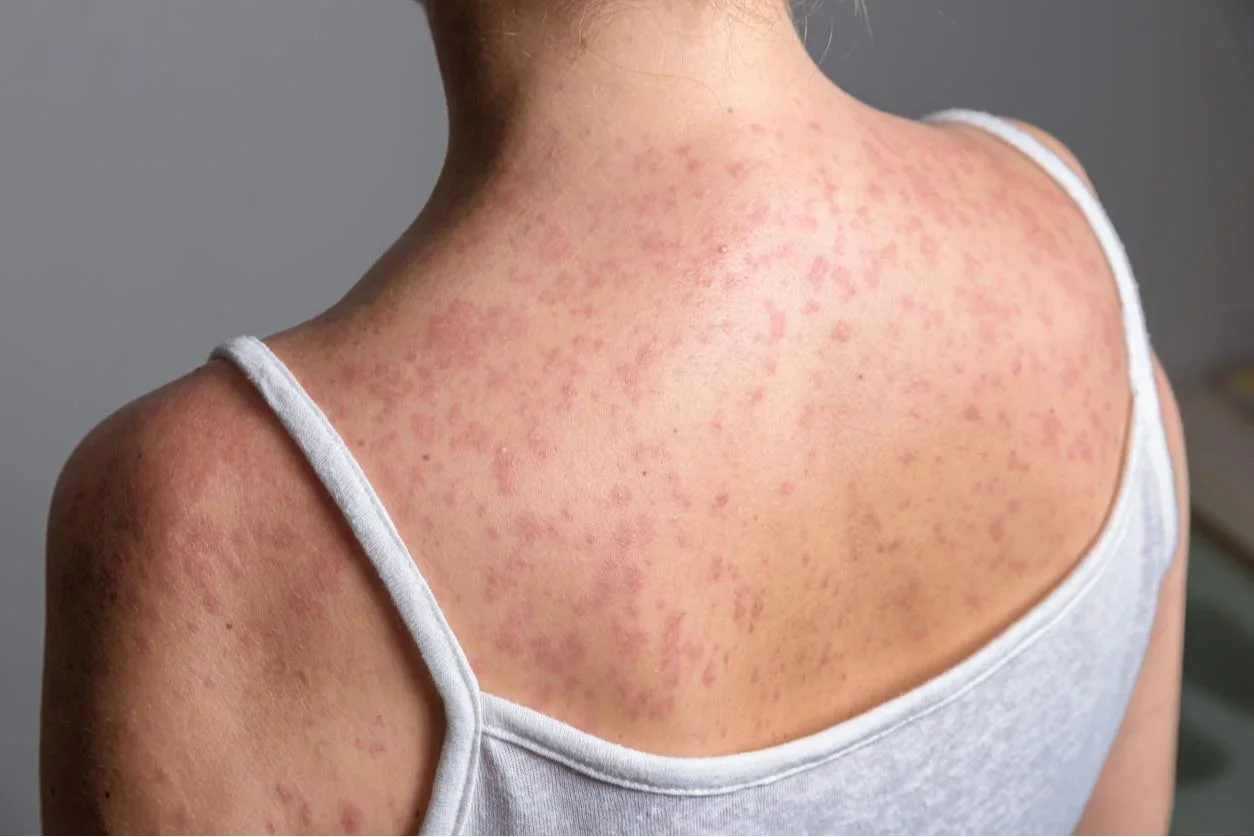
Measles Case Numbers: The Reality in South Carolina Schools
To understand the scale of this crisis, it’s important to examine current measles case numbers. Since January 2024, South Carolina health departments have tracked a significant increase in confirmed measles cases among school-age children. These newly diagnosed cases stretch across multiple counties—impacting both urban centers and rural districts. According to data from the Centers for Disease Control and Prevention, South Carolina ranks among the top five states in the United States for measles cases reported in educational settings this year.
This data-driven view underscores the serious threat the measles outbreak SC poses not just to current students, but to public health efforts that have worked for years to keep measles at bay. Several major school districts are reporting double-digit case numbers, prompting emergency meetings and revised operating procedures. Health officials attribute this rise, in part, to a slowdown in MMR vaccine uptake and pockets of resistance due to misinformation or religious exemption appeals. For South Carolina schools, keeping up with new quarantines and confirmed cases has become a daily battle for administrators, nurses, and concerned parents alike.
Comparing Measles Outbreaks: South Carolina and North Carolina
While South Carolina has witnessed a marked surge in measles cases reported, neighboring North Carolina has thus far reported far fewer outbreaks this year. According to both states’ departments of public health, North Carolina has implemented aggressive MMR vaccination campaigns in recent years, possibly contributing to their comparative success in containing the spread. However, North Carolina’s proximity and the fluid movement of families, students, and staff across state lines means public health officials in both states are on high alert.
This comparison highlights a crucial point: effective disease control in one state can still be undermined if neighboring regions do not share similar strategies and vaccination rates. With confirmed measles cases crossing boundaries, collaborative approaches between the Carolinas may be necessary to halt further outbreaks. South Carolina’s experience is a stark reminder that every state must remain vigilant, especially when vaccination hesitancy and gaps in public health communication persist.
How Measles Outbreak SC Disrupted the 2024-2025 School Year
"No one anticipated our classrooms would become ground zero for a measles outbreak, but this is the reality for South Carolina teachers and families." – Local educator
The arrival of the measles outbreak SC has dramatically changed the trajectory of the 2024 school year for both students and staff. In response to rising cases, many South Carolina school districts have had to make hurried decisions—temporarily closing campuses, shifting to remote learning models, and immediately quarantining exposed students and teachers. These measures, though necessary, have led to widespread confusion and disruption in regular school operations.
One of the most significant impacts has been on student attendance. Reports from several districts indicate that both illness and fear of exposure have resulted in record absenteeism. This not only affects academic progress and state testing outcomes, but also creates logistical challenges for administrators who must ensure that all students have access to educational resources while protecting public safety. The complex balancing act between maintaining normalcy and safeguarding health underscores the importance of better preparedness and robust public health partnerships for future outbreaks.
Immediate reactions from school administrators
School closures and remote learning considerations
Attendance concerns across south carolina districts

Unpacking the Spike: Why Are Measles Cases Increasing in South Carolina?
The question on everyone’s mind in South Carolina is why, after years of relative control, are we seeing such an ongoing measles outbreak? Experts point to a combination of pandemic-era disruptions, misinformation about vaccine safety, and the rise in religious exemptions for school vaccinations
Another concern is a decline in routine immunizations for children. Public health departments note that many families either postponed or skipped MMR doses during the COVID-19 pandemic, leaving a growing pool of susceptible students. Combined with increased travel and a highly transmissible virus like measles, it’s a recipe for rapid spread. The lessons to be learned are clear: consistent vaccination coverage and community awareness are critical for disease control and prevention.
Role of Public Health and Vaccination Rates in the Measles Outbreak SC
Public health authorities have emphasized that high vaccination rates are essential to halt outbreaks. South Carolina currently lags behind the national average for MMR vaccine coverage, especially in rural counties. Despite aggressive campaigns by the Centers for Disease Control and Prevention and the South Carolina Department of Public Health, hesitancy and misinformation continue to slow progress.
Collaborative initiatives with care providers have sought to encourage families to catch up on missed vaccines. However, some parents still cite concerns about vaccine ingredients or invoke religious exemption, leading to lower levels of protection within communities. The persistence of these trends underscores the need for renewed conversations between health departments, schools, and trusted healthcare providers to ensure consistent immunization and effective communication about the dangers of measles.
The MMR Vaccine: Myths, Facts, and Uptake in Spartanburg County
One epicenter of the current outbreak has been Spartanburg County. Health officials report lower-than-expected MMR vaccination rates among school-aged children here, with several outbreaks traced back to unvaccinated or under-vaccinated students. Rumors and myths regarding the safety of the MMR vaccine—such as false links to autism or harmful side effects—have been debunked by leading experts and the Centers for Disease Control and Prevention, yet still linger in some communities.
To combat these myths, care providers and school nurses in Spartanburg County have intensified efforts to provide parents with science-based information, expanded clinic hours, and school-based immunization drives. The hope is that by making the MMR vaccine more accessible and addressing concerns directly, communities can boost protection against future outbreaks. As South Carolina works to recover from the current crisis, the lesson from Spartanburg County is clear: proactive, transparent engagement is essential in public health.
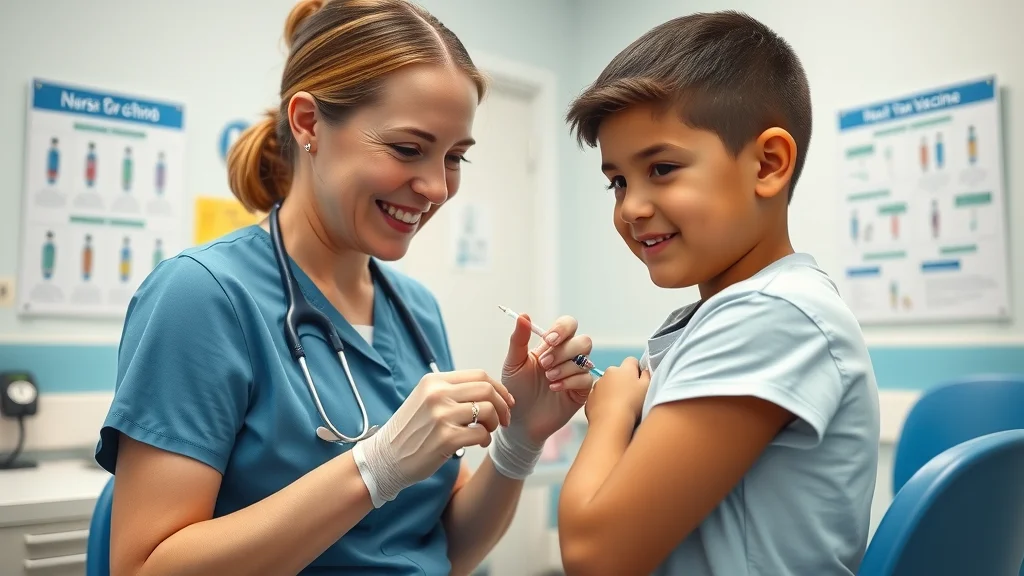
The Human Cost of the Measles Outbreak SC
Beyond the numbers and policies, the real impact of the measles outbreak SC is felt by students, teachers, and families trying to cope with a new reality. The spread of measles in school environments has upended routines, added stress to already busy households, and created lasting interruptions in the school year experience. The human cost—physical, emotional, and even financial—is significant and warrants attention as communities look toward recovery.
Impacts on students, staff, and families
Emotional stress
Interrupted learning
Financial and work disruptions for parents

Responding to Crisis: What School Districts and Care Providers Are Doing
With the measles outbreak SC still evolving, school districts have mobilized quickly to curb its spread and protect vulnerable populations. District administrators are working hand-in-hand with local care providers and public health officials to implement isolation protocols, increase on-campus vaccination clinics, and distribute up-to-date information about measles symptoms and prevention. Teachers, too, are adjusting lesson delivery to accommodate students in quarantine or remote learning situations.
How School Districts Coordinate With Care Providers and Local Public Health
Collaboration has become the linchpin of the response. School nurses and administrators are coordinating directly with local health departments and care providers to track exposures, conduct contact tracing, and ensure rapid intervention for any suspected cases. Regular conference calls, shared data systems, and real-time alerts have helped districts respond swiftly to new developments.
Care providers have increased efforts to reach out to families, with an emphasis on the importance of timely vaccinations and keeping sick children at home. This coordinated strategy has also helped channel resources—such as vaccination supplies, personal protective equipment, and diagnostic kits—where they’re needed most. While challenges persist, these partnerships provide a blueprint for future crisis management in South Carolina schools.
Challenges in Communication and Vaccine Hesitancy
Despite these coordinated efforts, clear, transparent communication remains a major challenge. Mixed messages on social media, outdated information, and persistent myths about the MMR vaccine have fueled confusion and hesitancy among some parents. School officials and health leaders have responded by ramping up access to trustworthy information, hosting town halls, and distributing multilingual resources to ensure every community is well-informed.
"Open and accurate communication remains the most critical tool in fighting outbreaks like these." – Public health official
Vaccine hesitancy has proven particularly tough to overcome in certain counties, making targeted education campaigns and trusted provider relationships more important than ever. Addressing concerns directly and providing easy, local access to vaccines are crucial steps toward reducing the risk of future outbreaks.

What Needs to Change? Editorial Perspective on Future Preparedness
South Carolina cannot afford to treat the measles outbreak SC as a one-off emergency—systemic changes are overdue. It’s clear that broader vaccine access, better tracking of campus illnesses, and robust emergency protocols are essential. Here’s what policy makers, district leaders, and families should prioritize as part of a lasting solution to future outbreaks:
Recommendations for improving measles outbreak SC response
Increasing MMR vaccine access
Enhanced tracking of measles cases in schools
Improved emergency management protocols
People Also Ask About the Measles Outbreak SC
What caused the measles outbreak in South Carolina?
A spike in unvaccinated populations and lapses in immunization compliance have significantly contributed to the measles outbreak in South Carolina.
How are schools in South Carolina handling the measles outbreak?
Schools are implementing quarantine protocols, increasing vaccination awareness, and coordinating closely with care providers and public health authorities.
Are neighboring states like North Carolina experiencing similar outbreaks?
North Carolina has reported fewer cases, but public health officials are monitoring the situation due to geographic proximity and student movement.
Frequently Asked Questions About Measles Outbreak SC
What are the symptoms of measles?
Measles typically begins with a high fever, cough, runny nose, and red, watery eyes, followed by a characteristic red rash that starts on the face and spreads downward.How can measles outbreaks be prevented?
Measles can be prevented through the MMR vaccination, which is highly effective and recommended for all eligible children and adults. Maintaining high vaccination rates in the community is key to preventing outbreaks.Is the MMR vaccine safe for children in South Carolina?
Yes, the MMR vaccine is considered very safe, with minimal side effects. It is strongly recommended by the Centers for Disease Control and Prevention and healthcare providers statewide.
Key Takeaways: Lessons from the South Carolina Measles Outbreak SC

Proactive public health measures and high vaccination rates are crucial for preventing future outbreaks.
Effective crisis response hinges on school-community collaboration and transparent communication.
South Carolina school districts must prioritize emergency management and tracking systems to protect their students and staff.
Looking Ahead: Building Resilience Against Future Measles Cases in South Carolina
Join the conversation on public health and education in South Carolina—leave a comment with your perspective or contact your local school board to advocate for change.



Write A Comment