


Did you know that over 300 South Carolina high schools are now impacted by the latest realignment—affecting more than 250,000 student athletes in a single school year? Behind every new schedule and rivalry, South Carolina high school sports realignment shapes futures, traditions, and even college dreams
Unveiling the Facts: The Startling Scope of South Carolina High School Sports Realignment
The south carolina high school sports realignment phenomenon isn’t a minor administrative update—it’s a sweeping overhaul that touches nearly every student, parent, and coach in the state. Each school year, the carolina high school league meticulously reviews enrollment numbers, travel logistics, and competitive outcomes, which can result in hundreds of schools experiencing shifts in their athletic classification placement. This wave of changes triggers district additions, new cross-town rivalries, and often heated appeals.
Schools like Gray Collegiate and James Island find themselves at the center of conversations, sometimes facing steep competition or logistical hurdles. The executive committee will meet January each year to finalize and hear appeals regarding the classification placement, placing the schools in classifications that attempt to balance fairness with fierce competition. Whether you’re a parent of an Eau Claire or Florence High athlete, every community feels the impact. As schools were assigned based on shifting numbers and guidelines, stakeholders continue to debate if this is the best way to shape high school sports in South Carolina.
How Many Schools and Student Athletes Are Affected in This School Year?
For the current school year, an estimated 320+ high schools—including Woodruff High, South Florence, and Fairfield Central—have undergone classification placement changes that directly impact their athletic programs. The south carolina high school sports realignment touches more than just varsity football; basketball, soccer, track, and many other sports are included in the new district assignments. As a result, student athletes across the state must adapt to facing new opponents, changing travel schedules, and shifting team dynamics.
This wide-sweeping realignment means entire athletic departments must adjust—from coaches managing new competitive pressures to athletes seeking college recruitment in unfamiliar territories. Altogether, the ripple effect transforms the athletic experience for thousands across the South Carolina high school league. The result: schools like Carolina High and Gray Collegiate experience profound change, altering the very fabric of athletic traditions for the foreseeable future.
What You’ll Learn About South Carolina High School Sports Realignment
Key drivers behind South Carolina high school sports realignment
Classification placement impact on local schools
Effects on competitive balance and traditional rivalries
Perspectives from those within the carolina high school league
Future implications for South Carolina high school sports
South Carolina High School Sports Realignment Explained
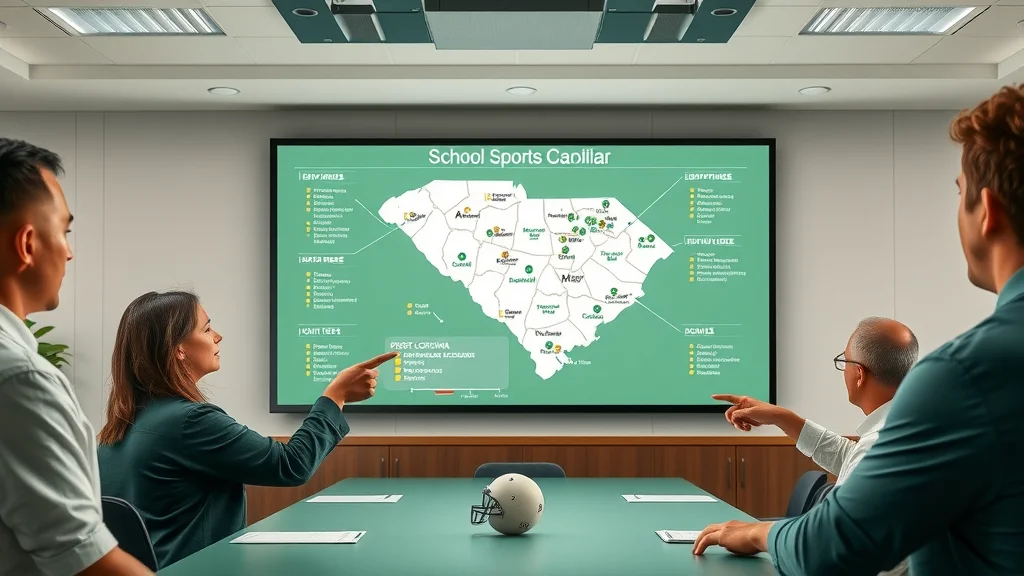
What is South Carolina High School Sports Realignment?
At its core, south carolina high school sports realignment is the process by which the carolina high school league re-evaluates and reassigns schools to new athletic classifications, typically every two years. These classifications—such as 1A through 5A—group schools by student population and historical athletic performance with the intent of achieving a competitive balance. The process involves specialized committees, guideline reviews, and direct input from school administrators to determine where schools like James Island and Strom Thurmond best fit in the ever-changing competitive landscape.
Unlike many states where realignment might remain static, South Carolina’s approach is dynamic, reflecting the shifting demographics and priorities of the community. The guidelines committee will meet January to refine policies, while the executive committee hears appeals regarding the classification placement. Ultimately, realignment seeks to ensure fairness but also brings fresh challenges, especially for schools undergoing rapid enrollment changes or unique circumstances such as specialized academic programs or athletic talent concentrations.
The History of School Realignment in the South Carolina High School League
The roots of school realignment within the south carolina high school league date back decades, with the process evolving as the student population and school landscape changed. Early realignments were developed to foster regional competition and reduce travel, but as schools like Gray Collegiate and South Florence became athletic powerhouses, concerns over competitive imbalance surfaced. Now, the classification placement system includes enrollment numbers, athletic achievements, and appeals—demonstrating the complexity of keeping sports fair and accessible for every student athlete. The realignment controversy entered a new era when guidelines evolved to account for both athletic success and demographic shifts, making every cycle contentious and headline-worthy throughout the school year.
Today, each realignment cycle ignites debate over whether a simple numbers-based approach is enough or whether factors like socioeconomic status, school resources, and historical rivalries should shape the competitive landscape. The fact that the committee will meet January to discuss district additions and place the schools further underscores how evolving community needs are guiding the process, sometimes leading to legal challenges and public hearings.
Key Forces Driving Classification Placement in High School Sports
The forces behind classification placement are multifaceted—spanning school enrollment, athletic success, geographic considerations, and community input. Enrollment is the usual starting point: a school’s classification is generally determined by student population; however, competitive record, travel burdens, and even appeals can sway the final decision. For example, schools like Gray Collegiate petition the executive committee for reconsideration if they believe classification placement places them at a disadvantage or doesn’t reflect recent growth or program changes.
Additionally, the rise of specialized programs and private-public school dynamics often shifts the landscape. Some contend that these elements foster inequality, while others claim they ensure that every team, from Florence High to Fairfield Central, competes on an even field. As guidelines evolve and the guidelines committee will meet to revise policies, one thing remains constant: realignment in South Carolina is driven by a commitment—albeit controversial—to keeping high school sports vibrant and competitive.
‘This realignment isn’t just about numbers—it’s about opportunity,’ says a Gray Collegiate head coach.
Classifications and Placement: Shaping the Future of High School Sports in South Carolina
How Classification Placement is Determined Every School Year
The classification placement journey starts with data collection—enrollment figures are assessed alongside athletic achievements from the prior school year. Each school submits comprehensive reports, and district additions are reviewed carefully. Schools were assigned based not only on student population but also through appeals and evaluations by the guidelines committee. The appeals process allows schools to present unique circumstances—be it a sudden spike in enrollment or logistical hardships.
The south carolina high school league holds meetings (the committee will meet January, for example) open to the public, granting stakeholders like parents and coaches an opportunity to hear appeals and influence decisions. This approach, though comprehensive, is not without flaws or controversy, as it attempts to balance fairness with competitive durability across rival schools like Gray Collegiate and Woodruff High.
Why Schools Like Gray Collegiate Face Unique Challenges
Gray Collegiate has become the poster child for unique challenges in the south carolina high school sports realignment debate. With their extraordinary athletic successes and fluctuating enrollment, they often find themselves either under intense scrutiny or at the heart of league discussions. Some argue their strong recruiting leads to unfair competitive advantages; others cite the school’s commitment to academic and athletic excellence as a model for others. This ongoing tension makes their appeals process critical—and at times controversial—as the executive committee will meet to debate where schools like Gray Collegiate should be placed in the evolving league landscape.
In recent cycles, other schools, such as South Florence or James Island, have joined the debate, sometimes finding themselves grouped unexpectedly or needing to adapt to new district assignments. This highlights the importance of appeals regarding the classification, as not all schools, especially those with sudden changes or unique programs, fit neatly into standard placement rules. As the school year progresses, these shifts demand rapid adaptation from athletes and administrators alike.
The Role of the Carolina High School League in Realignment Decisions
The carolina high school league acts as the central authority, convening multiple committees throughout the school year to review proposals, hear appeals, and finalize the classification placements. The executive committee is particularly influential, with their meetings (including the anticipated committee will meet January dates) serving as the platforms for hearing both complaints and defenses regarding assigned classifications.
Their charge is to ensure a level playing field for south carolina high school sports by weighing data from schools, historical rivalries, logistical feasibility, and calls for equity. Their decisions determine whether rivals are kept together, whether a school like Fairfield Central faces new competition, and how the league’s structure responds to legal and public pressure. While their efforts intend to serve the greater good, the system remains under ongoing public and media scrutiny—fueling bigger debates about transparency, fairness, and the broader role of athletics in education.
Comparison of Classification Placement: Recent Changes in South Carolina High Schools
School |
Previous Classification |
Current Classification |
Impact on Athletics |
|---|---|---|---|
Gray Collegiate |
2A |
3A |
Faces new opponents, increased travel |
James Island |
4A |
5A |
Heightened competition, school spirit boost |
South Florence |
4A |
4A |
Stability, but with new rivalries |
Woodruff High |
2A |
2A |
Minimal change, steady traditions |
Fairfield Central |
3A |
2A |
Opportunity to rebuild, new schedule |
Impacts of South Carolina High School Sports Realignment
Effects on Competitive Balance and Fairness
” Does realignment achieve fair play, or does it tip the scales and leave certain schools struggling? The process aims to pool high school teams with similar resources and talent pools—but rapid demographic shifts or private-school participation can throw wrenches into the system
For the carolina high school league, these changes are more than logistical. Competitive balance ensures student athletes aren’t regularly outmatched, sustaining morale and giving even the smallest schools a fighting chance. Critics, however, argue that one-size-fits-all solutions can’t accommodate unique situations, leading to frequent appeals regarding the classification placement and, sometimes, discontent about persistent imbalances in football, basketball, and soccer across different regions.
Changing Traditions: What Happens to Long-Standing Rivalries?
School traditions are forged over generations, often defined by rivalries—think “Friday night lights” battles between neighboring schools. Realignment disrupts many of these. For example, beloved matchups between Florence High and Eau Claire or Woodruff High and its historic local rivals often dissolve when classification placements shift. While new rivalries sometimes emerge, there’s an undeniable loss of community connection and nostalgia when long-standing contests fade away.
Yet, not everyone sees these changes as negative. Some student athletes relish the chance to face new, challenging opponents, which can invigorate team spirit and school pride. Still, it’s clear that the south carolina high school sports realignment process reshapes more than athletic schedules—it rewrites local history and community identity, sometimes for better and sometimes for worse.
Implications for Student Athletes and College Recruitment
Perhaps the most profound impact of realignment falls on student athletes with college aspirations. A shift in classification placement can mean facing stronger, more visible competition—or, conversely, fewer chances to showcase talents. Veteran coaches across South Carolina high schools note that recruiters sometimes focus on specific districts or conferences, making realignment a “game-changer” for students hoping for collegiate attention.
This challenge adds pressure on coaches, students, and families. They must quickly adapt to new schedules, travel commitments, and scouting processes. For many, the ripple effect of classification placement isn’t just a matter of wins or losses—it’s about shaping the future, one scholarship or opportunity at a time.
‘Realignment has turned the tables for student athletes hoping for scholarships,’ remarks a veteran coach from a well-known South Carolina High School.
Community Perspectives on South Carolina High School Sports Realignment
Voices from the Field: South Carolina Coaches and Parents Weigh In
Local coaches and parents, from James Island to Fairfield Central, express a mix of hope and frustration over realignment. Many appreciate efforts to ensure fair play and reduce mismatches, but others criticize travel costs and the emotional toll on players suddenly separated from traditional rivals. Their participation in the appeals process and committee meetings signifies the intense investment the community has in shaping the direction of south carolina high school sports realignment.
Common themes include anxieties over increased logistics, disruption of cherished traditions, and the loss of local identity. Many urge the high school league to invest more in transparency, with some advocating for community-led guidelines committees. While change is accepted as a necessity, the desire for a voice—and the preservation of high school culture—remains strong.
Student Athletes’ Experience with School Realignment
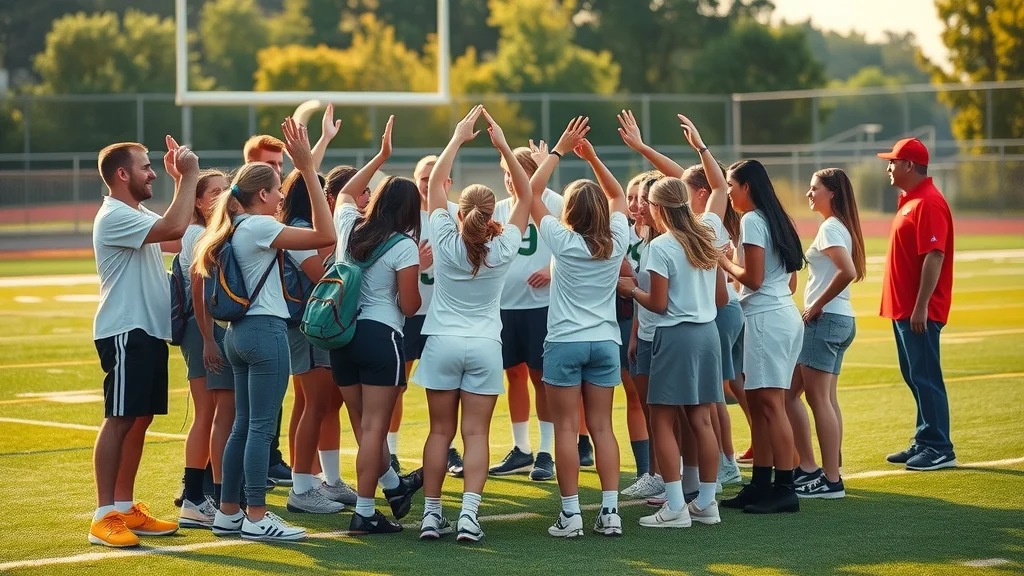
Student athletes bear the brunt of realignment’s practical changes. Many navigate longer travel for away games, adapt to unfamiliar competitors, and manage the pressure of representing their school in new athletic contexts. For some, these shifts generate excitement and renewed focus; for others, the abrupt end to old rivalries and the challenge of finding their footing in new conferences can be difficult.
Despite mixed emotions, most student athletes display resilience. Team huddles reinforce unity and adaptation. Coaches and parents offer additional encouragement, ensuring the athletes remain focused on both their sporting goals and academic success. As they navigate these transitions, student voices increasingly inform public discussion about what’s working—and where more support is needed.
Concerns about travel and costs
Shifts in team morale
New rivalries vs. lost traditions
The Controversies and Debates: South Carolina High School Sports Realignment Criticisms
Is the School League’s Approach to Classification Placement Fair?
The fairness of the south carolina high school sports realignment system sits at the center of ongoing controversy. While the carolina high school league strives for balance, many stakeholders argue that the current approach to classification placement, with its heavy reliance on enrollment and narrow definitions of success, overlooks critical factors like economic diversity, geographic barriers, and extracurricular investments. Appeals to the executive committee are frequent as schools challenge placements that they feel are misaligned with their reality. The debate rages on about whether a more holistic model would serve athletes and communities better—though any shift requires consensus among administrators, parents, and league officials alike.
Does South Carolina High School Sports Realignment Fuel Inequality?
Critics of the current realignment process argue it sometimes entrenches existing inequalities—especially when larger, affluent schools compete with smaller, resource-limited ones in the same classification. This is particularly evident when specialized programs or recruitment-heavy schools like the "Collegiate" schools are included in classifications with rural or underfunded schools. Some advocate for more nuanced, transparent criteria that factor in school resources, academic focus, and community needs, alongside the traditional enrollment figures.
"There are winners and losers in every realignment, but sometimes, the system needs a rethink." — Local sports journalist
Looking Forward: What’s Next for South Carolina High School Sports Realignment?

Predicted Trends for the Upcoming School Year
As demographic shifts continue, expect the high school league to adapt its realignment guidelines further—possibly incorporating more robust community feedback and new data analytics tools. Schools may see additional classification changes as enrollment trends and competitive records shift. The next cycle will likely bring more appeals and public scrutiny, with league policies evolving to address the most pressing fairness and logistics questions. New district additions and school league guidelines will play a pivotal role as stakeholders shape the path forward for South Carolina high school sports.
How Schools and the High School League are Preparing
Proactively, schools are engaging administrators, coaches, and parent representatives in the realignment process. Many are building committees to advocate for appropriate classification placements, while also developing support systems for students affected by transitions. Meanwhile, the South Carolina High School League continues to refine its appeals process, increase transparency in decision-making, and consult with external experts on sports equity—ensuring the next realignment cycle runs as smoothly as possible.
Potential Reforms and Community-Led Solutions
Potential solutions making headlines include piloting new criteria for classification placement, increasing community oversight on the guidelines committee, and empowering student voices in realignment decisions. As public debate endures, ongoing improvements in the appeals process—with more open forums and digital engagement—stand to make the realignment journey more inclusive, data-driven, and responsive to South Carolina’s unique needs. Community advocacy and legal challenges may further force the school league to reimagine—and perhaps re-engineer—the entire realignment framework.
Key Takeaways from South Carolina High School Sports Realignment
Realignment affects every student athlete and school involved in the South Carolina High School League.
Classification placement is determined by multiple factors, not just enrollment.
Changes impact more than athletics—school communities and traditions shift, too.
Debate continues over fairness and transparency.
Future realignment decisions will likely be shaped by ongoing public input and legal challenges.
FAQs: South Carolina High School Sports Realignment
Why does South Carolina High School Sports Realignment happen so frequently?
The realignment process happens regularly to accommodate changing student populations, new school openings, and shifts in athletic success across school years. This dynamic ensures that competitive balance and fair play are maintained, but it also means that schools face new challenges almost every realignment cycle.
Does realignment only affect football, or all high school sports in South Carolina?
Realignment impacts all competitive sports under the South Carolina High School League umbrella—not just football. Basketball, baseball, soccer, and even non-traditional sports all experience classification placement changes as part of the overall system.
How can parents and students participate in realignment discussions and decisions?
Parents and students can attend public committee meetings, communicate directly with school administrators, and contribute to appeals regarding the classification placement. Many communities also organize town halls and forums to share concerns and suggestions directly with league officials.
People Also Ask: South Carolina High School Sports Realignment
What is the main purpose of south carolina high school sports realignment?
The main goal is maintaining competitive balance and fair play by adjusting school classifications as demographics and athletic outcomes evolve. Realignment aims to ensure all student athletes have equal opportunities to compete at their level.
How often does the classification placement change in high school league sports?
Classification placement reviews and changes occur on a two-year cycle for most sports, though emergency adjustments and appeals can lead to occasional mid-cycle changes as needed.
Which schools are most affected by the latest carolina high school realignment?
Schools with rapid enrollment changes, exceptional athletic records, or unique academic programs—like Gray Collegiate, James Island, and Fairfield Central—are often the most affected, as the league aims to maintain balance and fairness across all member schools.
Are there any legal challenges to the south carolina high school sports realignment process?
Yes, legal challenges sometimes arise when stakeholders believe the process is unfair or discriminatory. The South Carolina High School League responds to these by updating guidelines, holding hearings, and occasionally revising placement decisions after thorough review.
Conclusion: Making Sense of South Carolina High School Sports Realignment
Why Staying Informed Matters for Athletes, Coaches, and Communities
Staying informed about south carolina high school sports realignment is essential—changes affect not just sports, but entire communities, traditions, and student futures. Engagement and awareness are key to ensuring fairness for all.
Get the Latest Updates on South Carolina High School Sports Realignment—Subscribe to Our Insider Newsletter!
Don’t miss critical updates on classification changes, upcoming realignment decisions, and expert interviews—subscribe to our insider newsletter today and stay ahead in the world of South Carolina high school sports.


Write A Comment