
Add Row
Add Element
cropper
update
York County Spotlight
update
Add Element
  • Home
  • Categories
    • Spotlights
    • Expert Insights
    • Events
    • Life in York County
    • School News
    • Food
January 18.2026
1 Minute Read

Unveil the Secret of the Battle of Kings Mountain

What makes the story of Kings Mountain so captivating, and why does its legacy continue to ripple through American identity today?

Unlocking the Mystery: Why the Battle of Kings Mountain Still Fascinates

The Battle of Kings Mountain stands out in American history for its drama, unexpected outcome, and enduring significance. Unlike the larger, regimented battles fought in the Revolution, Kings Mountain saw rugged Patriot militias, often called the Overmountain Men, face off against Loyalist troops loyal to the British Crown in the rocky hills on the border between South Carolina and North Carolina. This battle shattered expectations: in just 65 minutes, the Patriots claimed a monumental victory.

What keeps historians and enthusiasts returning to this battle? It was neither led by famous Continental Army generals nor did it involve thousands of troops on a grand battlefield
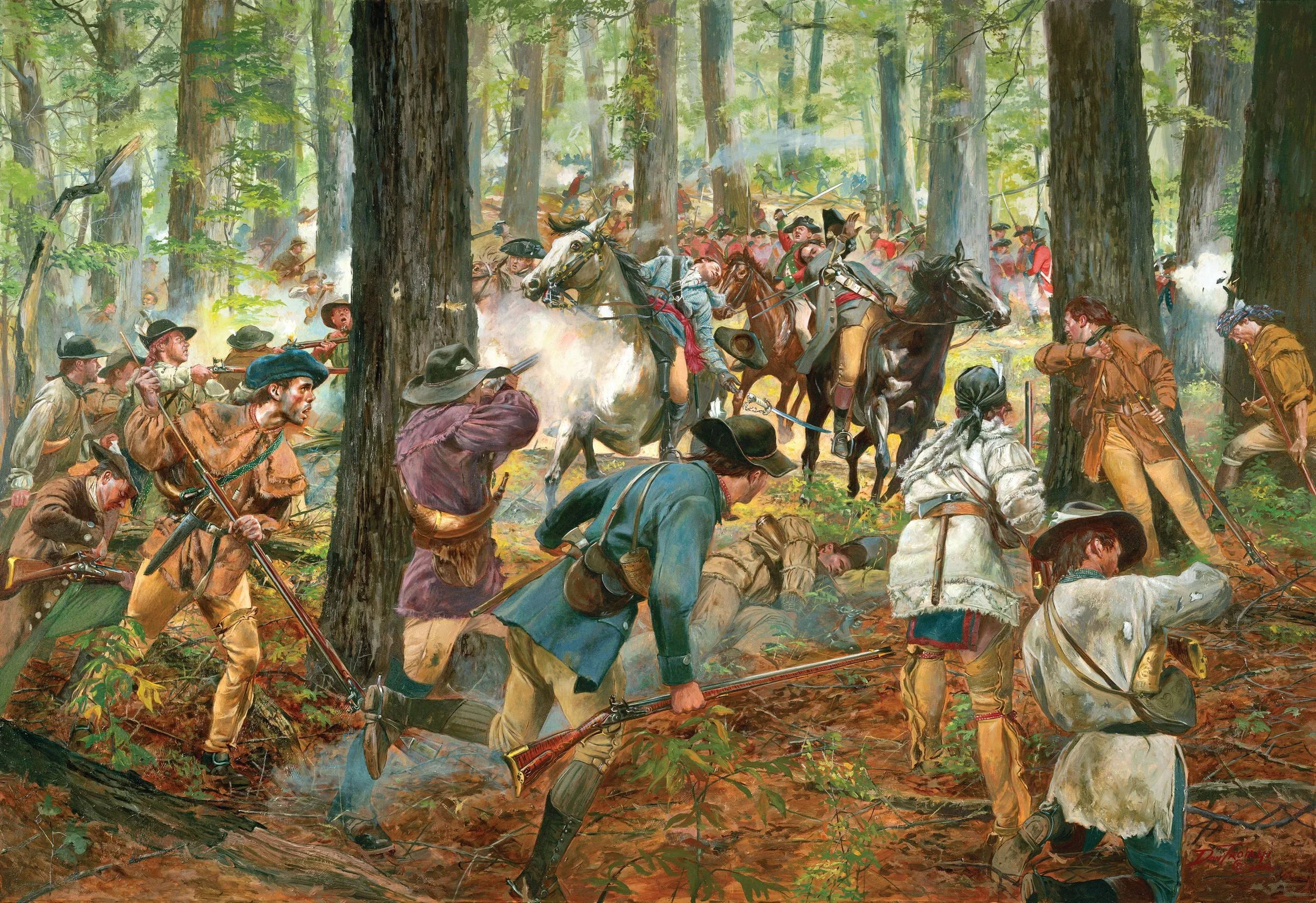
Dense, dramatic misty hills of Kings Mountain in South Carolina at dawn, the site of the battle of kings mountain

An Unconventional Statistic: The Battle of Kings Mountain’s Lasting Impact

Here’s a fact: In the aftermath of the Battle of Kings Mountain, British casualties soared—with nearly 300 killed and more than 600 captured—while Patriot losses were under 30. These numbers defy expectations for a local, militia-driven engagement. What’s more, leading British officers, including Major Patrick Ferguson, were killed or fell into Patriot hands—a devastating blow to British command in the region. This lopsided result served as a wake-up call to the British, marking a turn of the tide—a "tide of success" that would eventually sweep down upon the Crown’s forces throughout the southern colonies.

In the broader context of the Revolutionary War, no other battle in 1780 had such a sharp, immediate impact on morale and momentum. It’s no wonder the legacy of Kings Mountain continues to have a place of honor among both military historians and everyday Americans seeking to understand how the country's fate was decided in its earliest days.

What You'll Learn About the Battle of Kings Mountain

  • Why 'the battle of kings mountain' is considered the 'turn of the tide' in the Revolutionary War

  • The pivotal moments that determined its outcome

  • How South Carolina became the epicenter of a historic confrontation

  • Personal opinions and insights on the battle's enduring legacy

  • How this battle compares to others in the American Revolution

Setting the Stage: South Carolina’s Role in the Battle of Kings Mountain

South Carolina, with its vast forests and rugged foothills, became a battleground unlike any other during the Revolutionary War. The state’s geography provided cover, but also opportunities for unconventional warfare. By 1780, major British victories at Charleston and Camden had shifted the focus of the war to the southern colonies, where Patriot spirit was battered but far from broken.

The Carolina backcountry proved critical. Here, allegiances were fiercely divided between Patriots and Loyalists. In the tense months leading up to the Battle of Kings Mountain, Lord Cornwallis dispatched Major Patrick Ferguson to organize Loyalist militias and secure the interior, particularly the borders with North Carolina. Their goal: break the Patriot resistance using local knowledge and force. But unknown to them, the patriots—led by determined men like Isaac Shelby and William Campbell—were planning an audacious strike that would change history.
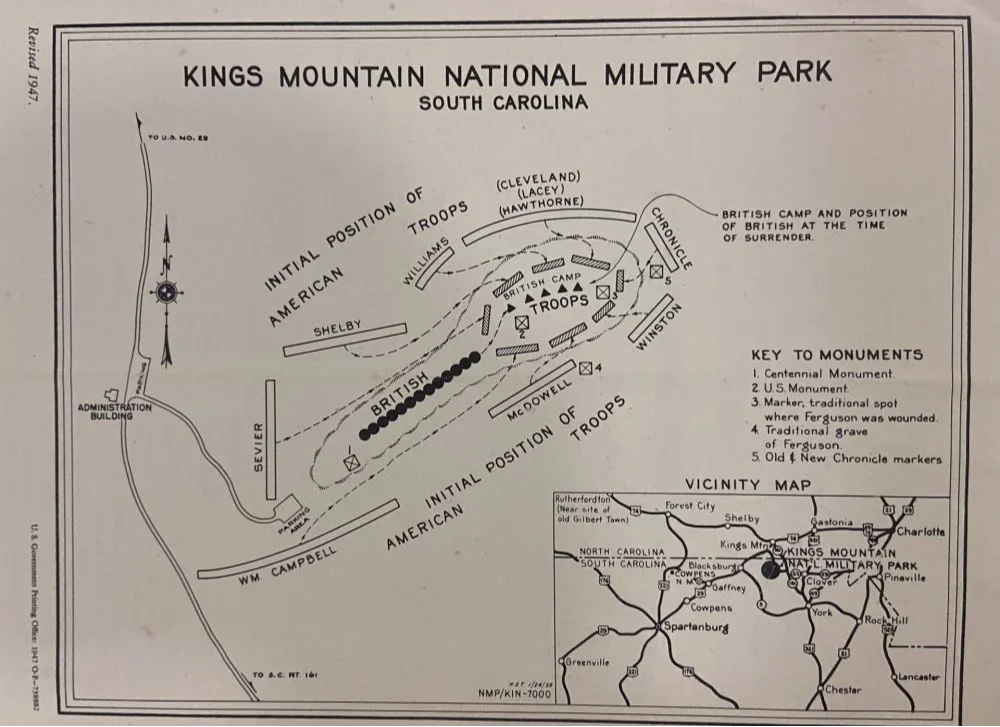
Historic diagram of the battle of kings mountain

Kings Mountain: The Geographic and Strategic Importance in the Revolutionary War

The steep slopes and heavily wooded ridges of Kings Mountain provided a perfect natural fortress for the Loyalist troops. Positioned along the border of South Carolina and North Carolina, Kings Mountain was not only a tactical stronghold—it also controlled critical movement between states. The location allowed British forces to threaten Patriot operations and secure their southern supply lines.

For the Patriots, the choice of battleground was intentional. Familiarity with the terrain among the Overmountain Men and local militias proved vital. The thick forests and hidden trails of the Appalachian foothills allowed for a stealthy approach, turning the mountain’s advantages against the entrenched Loyalists. The upcoming clash would show just how much geography could dictate outcomes in the American Revolution.

Backdrop of Tension: Prelude to the Battle of Kings Mountain

Prior to the confrontation, South Carolina was a region simmering with violence. Loyalists and Patriots regularly clashed in hit-and-run skirmishes across the Carolina backcountry. Major Patrick Ferguson, a trusted subordinate of Lord Cornwallis, was charged with recruiting Loyalists and crushing resistance. His infamous warning—that any rebels north of the mountains who did not submit would be “cut down”—galvanized the Overmountain Men into action.

Spurred by Ferguson’s threat, leaders like Isaac Shelby, William Campbell, and John Sevier rallied volunteers from present-day Tennessee, Virginia, and North Carolina. In early October 1780, nearly a thousand men marched over the Appalachian Mountains, determined to confront Ferguson before he could fortify his position any further. Their loyalty to local defense, rather than any formal army, was unique—a hallmark of the unfolding drama at Kings Mountain.

Why the Battle of Kings Mountain Was a True 'Turn of the Tide'

"The victory at Kings Mountain was more than a military triumph—it was a psychological turning point for the Patriot cause."

Patriot militia celebrates victorious atop Kings Mountain, waving captured British flags, symbolizing the turn of the tide at the battle of kings mountain

Turning the Tide: Momentum Shifts After Kings Mountain

The aftermath of the Battle of Kings Mountain sent shockwaves from Charleston to London. The British forces, led by Major Patrick Ferguson, not only lost a critical commander but also suffered a devastating blow to morale. For the Patriots, it was a reclamation of hope. After recent losses at the Battle of Camden and other setbacks, the success at Kings Mountain proved that the British southern campaign could be stopped, and that local resolve was a potent weapon.

This moment acted as a rallying cry—Patriot militia recruitment surged, and wavering citizens took up arms or provided support. The victory forced Lord Cornwallis to reconsider his plans and contributed directly to the chain of events that led to the Siege of Yorktown a year later. In many ways, it was Kings Mountain that signaled a change in the wind: the turn of the tide for the American Revolution.

Comparing the Battle of Kings Mountain to Other Revolutionary War Battles

Unlike the major set-piece battles such as Saratoga or Yorktown, the battle of kings mountain was defined by its irregular forces, surprise tactics, and swift conclusion. There were no formal battle lines, grand artillery engagements, or masses of Redcoats. Instead, Patriot militiamen crept through the forest, firing from behind trees and rocks, overwhelming the Loyalists in a rare example of a battle decided almost exclusively by citizen soldiers.

What truly sets Kings Mountain apart is its profound influence on both sides’ morale and strategy. The defeat humiliated British command, discouraged Loyalist recruitment, and inflamed Patriot determination. Compared to other battles in the Revolutionary War, the battle of kings mountain was less about numbers and more about the resolve and adaptability that would come to define the Patriot cause.

Key Differences Between the Battle of Kings Mountain and Major Revolutionary War Battles

Battle

Location

Outcome

Significance

Date

Kings Mountain

South Carolina/North Carolina Border

Patriot Victory

Turning point, crushed Loyalist morale, inspired Patriot resurgence

Oct 7, 1780

Saratoga

New York

Patriot Victory

Brought France into the war, major strategic turning point

Sept–Oct 1777

Yorktown

Virginia

Patriot/French Victory

End of major British operations, led to peace negotiations

Oct 1781

Bunker Hill

Massachusetts

British Pyrrhic Victory

Proved Americans could stand against British regulars

June 1775

Camden

South Carolina

British Victory

Major Patriot defeat prior to Kings Mountain

Aug 1780

The Heroes and Strategies: Dissecting the Battle of Kings Mountain

American Revolution Tactics Used at Kings Mountain

The battle of kings mountain exemplified the effectiveness of irregular, guerrilla tactics during the Revolutionary War. Patriot militias used the dense Appalachian forests and rocky ridges to their advantage, advancing in small groups, moving stealthily from tree to tree. This approach nullified the defensive ring established by Major Patrick Ferguson’s Loyalists on top of the mountain and confused the enemy, who were unaccustomed to such hit-and-run, decentralized attacks.

Unlike European military engagements reliant on disciplined ranks and volley fire, the overmountain men, hailing from Virginia, Tennessee, and the Carolinas, relied on their individual marksmanship and familiarity with the terrain. They coordinated attacks on the Loyalist position by attacking from several sides—the left flank, right, and rear—leaving no avenue of escape. The Patriots’ mobility, use of natural cover, and ability to adapt in real time made their victory both swift and near total, and it demonstrated how homegrown strategy could outmatch formal military doctrine in the New World.
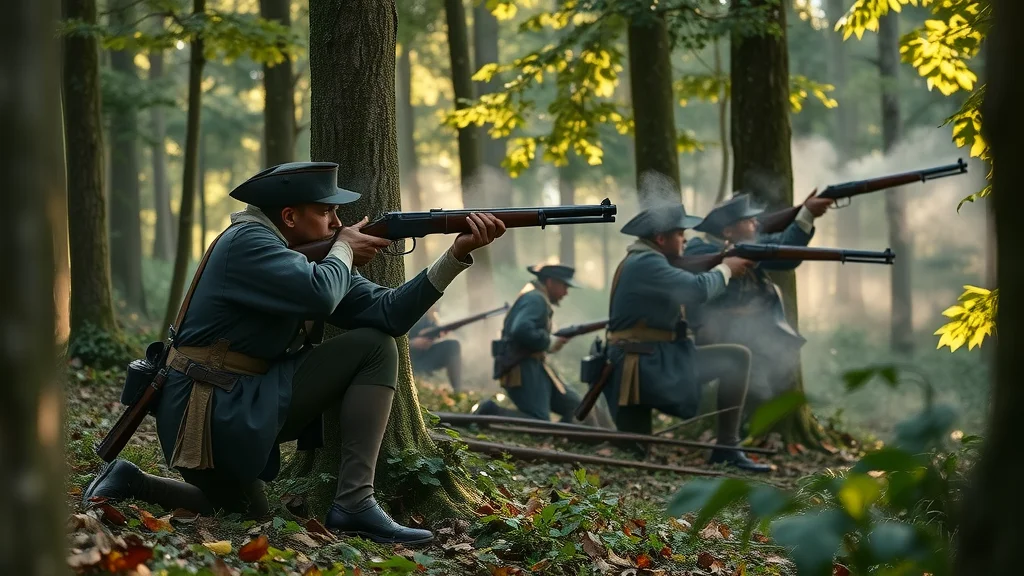
Patriot and Loyalist militia skirmish in dense wooded terrain during the battle of kings mountain

From Militias to Legends: Who Fought in the Battle of Kings Mountain?

One of the enduring fascinations of the Battle of Kings Mountain is the diversity and determination of the fighters on both sides. The Patriot forces, largely comprised of militias—farmers, craftsmen, and frontiersmen—were led by charismatic figures who would become local legends. The Loyalists, on the other hand, were recruited from the same region, setting neighbor against neighbor in a deeply personal conflict.

While the names of great generals loom large elsewhere in the Revolution, at Kings Mountain it was the heroism of everyday people that shaped the outcome. The stories of individuals—such as Isaac Shelby and William Campbell—have been passed down as inspirations for the spirit of independence in the United States. Even the defeated, like Major Patrick Ferguson, are remembered for their resolve and the tragic turn of their fates on the mountain slopes.

  1. Notable Patriot Leaders: Isaac Shelby, William Campbell, John Sevier, Joseph McDowell

  2. Loyalist Commanders: Major Patrick Ferguson (British), local Loyalist militia captains

  3. Militia Units Present: Overmountain Men (from Tennessee, Virginia, North Carolina), South Carolina Patriots, North Carolina Backcountry units

  4. Surprising Individual Stories: Accounts abound of personal bravery—like the wounded Patriot who kept fighting, or the Loyalist family forced to choose sides—reminding us that this was as much a civil war as a revolution

Legacy and Memory: Why the Battle of Kings Mountain Endures

Public Memory and Memorials: How Kings Mountain Is Remembered

Today, the Kings Mountain National Military Park stands as a testament to those who fought in 1780. Located at the original battlefield site, the park features carefully preserved monuments, graves, and interpretive trails. Every year, visitors walk the hallowed ground, guided by detailed exhibits and the words of both historians and descendants of participants. These memorials not only honor the victory but also caution against the cost of civil conflict.

The battlefield serves as a living classroom, reminding Americans of the sacrifices and complexities that shaped the nation's founding. The echoes of musket fire and shouts of Overmountain Men may have faded, but the Virginia, North Carolina, and South Carolina communities continue to keep those memories alive through commemorative events, reenactments, and educational programs.
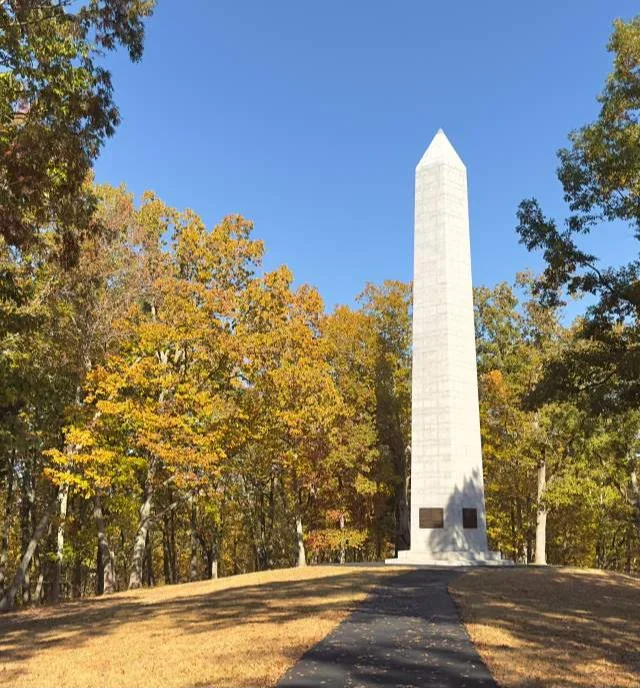
Modern Kings Mountain battlefield memorial with stone monuments and autumn foliage at kings mountain national military park

Opinion: The Misunderstood Impact of the Battle of Kings Mountain

In many textbooks, the battle of kings mountain is a footnote—a regional skirmish rather than a critical juncture in the American Revolution. However, this perspective misses the real legacy: by shattering the illusion of British invincibility in the South and re-energizing the Patriot cause, the engagement transformed the war’s momentum. The "tide of success" that began here rolled through subsequent campaigns and ultimately toward American independence.

Perhaps more importantly, Kings Mountain presents a rare example of ordinary people shaping destiny, not just following orders from distant leaders. Understanding this battle is to recognize the grassroots determination that underpinned the Revolution, an underappreciated foundation of what would become the United States.

People Also Ask About the Battle of Kings Mountain

What happened at the Battle of Kings Mountain?

The Battle of Kings Mountain marked a dramatic Patriot victory in South Carolina during the Revolutionary War. Local militias overwhelmed Loyalist forces in a swift, decisive fight, altering the course of the conflict.

Is there a movie about the Battle of Kings Mountain?

While there is no major Hollywood film solely focused on the battle, several documentaries and educational programs highlight its significance in the American Revolution.

How many American soldiers died in the Battle of Kings Mountain?

At the Battle of Kings Mountain, about 28 Patriot soldiers were killed, while the Loyalists suffered much heavier casualties.

What was the worst battle of the Revolutionary War?

Many historians cite the Battle of Bunker Hill or the Siege of Charleston as among the bloodiest, but the battle of kings mountain stands out for its strategic and psychological impact despite lower casualties.

The Aftermath: How the Battle of Kings Mountain Changed the Revolutionary War

Tide of Success: The Ripple Effects of Victory

The "tide of success" that swept from the summit of Kings Mountain had far-reaching consequences. The overwhelming Patriot victory forced Lord Cornwallis to retreat temporarily into South Carolina and rethink the British approach to the southern campaign. Loyalist morale plummeted, and recruitment dried up, undermining the British plan to pacify the southern colonies by relying on local support. The ripple effects of this one-hour encounter would lead, step by step, to the final British surrender at Yorktown just over a year later.

For the American cause, Kings Mountain became both a rallying point and a symbol of what ordinary citizens, guided only by self-governance and determination, could achieve. Its story insisted that even in the darkest times, the "turn of the tide" was possible with unity and resolve.

FAQs: Everything You Want to Know About the Battle of Kings Mountain

  • What led up to the battle of kings mountain?
    Mounting tensions between Patriots and Loyalists in the Carolina backcountry led to a series of skirmishes and confrontations. When Major Patrick Ferguson threatened to destroy any Patriot resistance beyond the mountains, local leaders like Isaac Shelby and William Campbell rallied militia forces, culminating in the rapid Overmountain Men march to face Ferguson at Kings Mountain.

  • Who were the main figures in the kings mountain conflict?
    On the Patriot side, Isaac Shelby, William Campbell, John Sevier, and Joseph McDowell led the Overmountain Men and backcountry militias. The opposing forces were commanded by Loyalist Major Patrick Ferguson, a British officer renowned for his innovation and leadership but ultimately outmaneuvered on the ridge.

  • Why was the location in South Carolina so important?
    The border region of South Carolina offered strategic control over movement between states, and the defensive elevation of Kings Mountain was considered nearly unassailable. Yet, local knowledge allowed the Patriots to use terrain to their advantage, changing the perceived safety into a trap for the Loyalists.

  • How does kings mountain compare to other revolutionary war battles in legacy?
    While Kings Mountain was smaller in scale, its psychological and strategic impact was outsized, inspiring subsequent Patriot successes and undermining Loyalist morale in the South. Few battles so quickly reversed fortunes in the Revolution.

Key Takeaways from the Battle of Kings Mountain

  • 'The battle of kings mountain' marked a strategic shift in the Revolutionary War

  • South Carolina's terrain and local knowledge played a crucial role

  • The engagement inspired Patriot momentum and derailed Loyalist plans

Opinion Recap: Why the Battle of Kings Mountain Still Matters Today

The battle of kings mountain endures not only because of its historical impact but also for what it reveals: the power of grassroots action, the importance of knowing one’s land, and the way small communities can decide the fate of a nation. Its lessons of courage and adaptability resonate as much now as in 1780.

Join the Conversation: Share Your Thoughts on the Battle of Kings Mountain

What does the battle of kings mountain mean to you? Have you visited the Kings Mountain National Military Park, or do you have family stories tied to Revolutionary War history? Share your thoughts below and keep the conversation alive for new generations

Conclusion: The Battle of Kings Mountain proves that a single, courageous stand can change the arc of history. Its legacy continues to inspire, challenge, and unite Americans—reminding us that the actions of a determined few can shape the fate of many.


Life in York County

0 Comments

Write A Comment

*
*
Related Posts All Posts
01.18.2026

Generational Families: Stories of Families Who’ve Been Here 50+ Years

Did you know that over 40% of York County, SC’s current residents can trace their lineage back at least three generations within the region? This rare legacy shapes not only family narratives, but the entire historical landscape of the Carolina PiedmontA Statistical Glimpse: The Enduring Legacy of York County SC HistoryYork County, South Carolina, stands out for its uniquely consistent generational presence. From the earliest European settlers to modern descendants, population records show that multi-generational families have continuously played a major role in shaping the county’s identity. According to recent surveys, over 60% of families living in smaller towns like Clover, York, Smyrna, and McConnells have been in the region for 50 years or more—a figure that far surpasses national averages. Their presence can still be seen in preserved historical homes, active family-run businesses, and local landmarks, underscoring the powerful legacy these families have created across centuries.This longevity of residency is more than a statistical anomaly; it’s a testament to the enduring draw of the Carolina Piedmont region and the rich stories forged by those who call York County home. Generational families like the Smiths, Johnsons, Loves, Clintons, and others have weathered events such as the Revolutionary War, the growth of the textile industry, and changes ushered in by the rise of cities like Rock Hill and Fort Mill. Today, York County remains a living record of community, tradition, and change—a geographic center of Southern heritage in South Carolina.What You’ll Learn About York County SC HistoryThe significance of generational families in shaping York County SC historyKey historical milestones of York County, South CarolinaStories and contributions of prominent families in the regionHow the city of York and its surrounding towns have evolvedWhy York, South Carolina is historically significantInsights from descendants and historiansA Brief Overview of York County SC HistoryYork County’s rich heritage stretches back to the migratory trails followed by Native Americans and early settler groups. The area was once home to the Catawba Indians before European families established agricultural towns along the Great Wagon Road. Founded in 1786, the county quickly became known for its fertile land, key role in the American Revolution, and strategic crossroads location, which paved the way for enduring economic and cultural development.Throughout the 19th and 20th centuries, York County remained intertwined with pivotal South Carolina events—the Civil War, the boom of the railroad, and the emergence of textile mills in Rock Hill, Clover and Fort Mill. The historic county seat of York, once known as Yorkville, has been the site of not only legal milestones at the county court but also community celebrations, festivals, and efforts at preservation. Today, York County bridges its past with vibrant modernity, honoring its forebears while welcoming new generations.As you explore the enduring impact of these families, it’s fascinating to see how their influence extends into many aspects of local life, including community events and even sports. For a closer look at how York County’s legacy is celebrated in modern times, discover the latest highlights and stories at York County Spotlight.Major Events in York County SC HistoryDateLasting ImpactFounding of York County and Yorkville1786Established the county seat; legal, economic, and social foundationsBattle of Kings Mountain1780Major turning point in the American Revolution; local participation honoredGrowth of Rock Hill and the Railroads1852–1900Economic development, rise of textile industry, migration patterns shiftCivil War Impact and Reconstruction1861–1877Societal and economic transformation; family legacies tested and adaptedHistoric Preservation Movements1960s–PresentProtected landmarks, family homes, and the York Historical Society formedWhy is York, South Carolina Historic?York, often called "the White Rose City," sits at the center of York County and has long been a county seat of justice, commerce, and community. Its historical significance is rooted in its key role during the revolutionary war, the establishment of the court house, and its position on the Great Wagon Road—a vital migration and trade route between the Northeast and the Southern states. The town of York boasts some of South Carolina’s oldest architecture, including courthouse buildings influenced by Robert Mills, and homes dating back to the 18th and 19th centuries.York’s legacy as a hub of education, legal affairs, and agricultural commerce is distinguished by its many preserved historic sites and the families who have nurtured them for generations. The city’s annual festivals, robust preservation societies, and active engagement from descendants of early settlers make it a living archive of South Carolina history and Southern resilience.The Oldest Towns in South Carolina: York’s Place in State HistoryWhile not the oldest town in the state, York’s continuous growth and historic prominence place it among South Carolina’s most storied communities. The region’s rich history parallels those of early colonial settlements like Charleston and Camden, but unlike many, York’s identity is uniquely defined by its steadfast generational families. The city’s proximity to the Catawba River and its place on the mountain railroad trade routes made it a magnet for ambitious settlers and entrepreneurs.York’s blend of rural tradition and evolving industry shaped its character throughout the 19th and 20th centuries. Today, the city of York continues to anchor York County’s cultural life, balancing small-town southern charm with progressive initiatives in education, industry, and historic preservation.City of York: The Center of York County SC HistoryThe city of York remains at the heart of York County SC history. Its iconic historic courthouse, the county’s official court house since the late 1700s, stands as a symbol of community stability and resilience. Main Street’s traditions are carried forth through family-owned businesses, bustling annual festivals, and dedicated efforts by local preservation societies. The center of York is not just a geographic center; it’s a living embodiment of South Carolina’s evolving story, where every event, from parades to political gatherings, reflects generations of community commitment.Preservation initiatives, often led by multi-generational families, keep the city’s historical character alive. Whether it’s the aroma of baked goods at a century-old family bakery or the annual York Summerfest that draws visitors from across the Southeast, the city of York remains a vibrant crossroads of past, present, and future—a beacon of pride for all of York County.Historic CourthouseMain Street traditionsAnnual festivalsFamily-run businessesPreservation societiesGenerational Families: Pillars of York County SC HistoryGenerational families are the true backbone of York County SC history. Their names are interwoven with the stories of civil war, community leadership, and economic development. Through the decades, these families have maintained traditions, spearheaded preservation, and adapted to changes brought by new industries and populations. Their influence is seen in everything from the architecture of ancestral homes to the founding of local institutions and philanthropic efforts. These multi-generational clans have been instrumental in keeping York County’s legacy alive, passing down values, stories, and a sense of belonging to each successive generation.Today, families like the Loves, Johnsons, and others embody this continuity, blending old customs with new ideas—a partnership that keeps York County’s spirit vibrant and resilient even as the world changes around it.Profile: The Clinton Family’s Lasting Presence in York CountyAmong the many families with deep roots in York County, the Clinton family stands out for their unwavering commitment to community and legacy. Arriving in the late 18th century, the Smiths initially settled along a branch of the Catawba River, establishing a homestead that soon became a local gathering point for social and political meetings. Over the generations, they have served in roles ranging from county court officials and educators in the school district to founders of notable businesses and participants in major historic events like the Civil War. Their contributions are etched in the records of the Yorkville Enquirer and celebrated in local museums and annual county festivals.Today, the Smith descendants still manage part of the original property, participate in the York County Historical Society, and are active voices in preservation and civic improvement. Their story is a living emblem of how generational commitment can help sustain and enrich an entire community across centuries.The Johnson Clan: Shaping South Carolina’s Rural HeritageThe Johnson family story is a powerful illustration of how agricultural tradition and community service can define a region’s legacy. For over 150 years, the Johnsons have run one of York County’s longest-standing family farms—surviving everything from the aftermath of the Civil War to droughts, economic downturns, and the wave of industrialization. Their influence reached beyond their land: several Johnson ancestors held public office, contributed to the preservation of local landmarks, and helped steer the policies that shaped York’s adaptation to modern agriculture.Both inspired by and contributors to South Carolina’s rural heritage, the Johnson clan has mentored young farmers, supported the growth of the historical society, and worked alongside other families to safeguard the area’s rural character. As the challenges and opportunities of the Carolina Piedmont continue to evolve, the Johnson legacy is proof of the adaptability and unity that defines generational families in York County SC history.Modern Descendants: Keeping York County SC History AliveWhile history is often thought of as being set in the past, in York County it is alive and breathing thanks to a vibrant new generation of descendants. These individuals, descended from families like the Smiths and Johnsons, embrace tradition while engaging with modern education, technology, and commerce. Many run new businesses downtown or spearhead innovative agricultural ventures, blending old wisdom with fresh ideas. They champion community organizations, organize local events, and remain active in the York County Historical Society, ensuring that their heritage is not just preserved but celebrated and shared with visitors and newcomers alike.By hosting interviews, school programs, and family reunions, today’s descendants foster a dynamic relationship with local history—making York County’s story a communal and ever-evolving experience.Tradition Meets Progress: How Generational Families Adapted in York County SC HistoryGenerational families in York County have skillfully balanced the preservation of tradition with the embrace of progress. The evolution of family-owned farms demonstrates this spirit: once focused solely on cotton and corn, many now pivot to agritourism, organic crops, or new technologies that attract younger generations back to the land. In the city of York, descendants have launched innovative businesses from historic storefronts, ensuring main street commerce thrives alongside chain stores and national brands. Strong ties to modern education—through both public school involvement and collaboration with nearby colleges—equip family members with new skills to address emerging challenges, whether in agriculture, business, or community service.As the York region grows, generational families remain deeply involved in local organizations, from preservation societies that protect the architecture and spirit of bygone eras to civic clubs that shape tomorrow’s opportunities. Through adaptation, their role as pillars of York County SC history is more crucial than ever, inspiring others to value both heritage and forward momentum.Evolution of Family-Owned FarmsNew Ventures in City of YorkImpact of Modern EducationInvolvement in Community OrganizationsHistorical Sites and Landmarks: Testaments to York County SC HistoryYork County is dotted with remarkable sites that bear witness to the endeavors of its generational families. From stately courthouse squares and antebellum homes to humble farmsteads and the scenic banks of the Catawba River, these landmarks are both physical monuments and sources of community pride. Many have been restored through the efforts of family descendants and historical societies, serving as educational sites and anchors for local festivals. Notable among them are the historic district in downtown York, the King’s Mountain battlegrounds that commemorate turning points in the American Revolution, and family-named farms that have graced the countryside for over a century.These landmarks help residents and visitors alike explore the tangible connections between past and present, underscoring how York County’s history is, at its heart, a story of families—rooted, resilient, and always evolving.Landmark NameAssociated FamilyHistorical ImportanceYork County CourthouseMultiplePivotal center for legal affairs since 1823; designed by Robert MillsSmith Family HomesteadSmithOldest continuously inhabited home in York County; site of community eventsKings Mountain National Military ParkVarious local familiesCommemorates the 1780 Revolutionary War battle; annual reenactmentsJohnson FarmsteadJohnsonHistoric family farm reflecting rural life from Civil War through modern dayHistoric Main Street DistrictVariousPreserved business frontages; center of commerce and festivalsCommunity Voices: Insights from the Heart of York CountyFor anyone seeking the true spirit of York County SC history, the most meaningful insights often come directly from those who have lived it across generations. Local residents, descendants, and historians—some with family stories stretching even before the Civil War—recount tales of courage, perseverance, and communal joy. Institutions like the York County Historical Society and the regional library keep these oral histories alive, ensuring that the voices of both prominent families and lesser-known contributors are honored and shared.Through ongoing projects, workshops, and newsletter features, community leaders remind visitors and new residents alike that this history is a living entity. Traditions like Town Day on Main Street, the telling of family legends, and participation in reenactments further blend the lines between past and present, inviting everyone to be a part of York County’s evolving story."If you want to understand York County SC history, listen to those who’ve called it home for generations." – Local HistorianPeople Also Ask about York County SC HistoryWhy is York, South Carolina historic?York’s historical significance stems from its unique role as a county seat on the Great Wagon Road, its pivotal place in the American Revolution, and its status as a center for justice, community events, and enduring family traditions. Its many preserved landmarks, such as the historic courthouse designed by Robert Mills, reflect both the area’s colonial past and its ongoing evolution as a vibrant Southern city.What is the oldest town in South Carolina?The oldest town in South Carolina is Charleston, founded in 1670. While York is not the oldest, it remains among the earliest continuously inhabited settlements in the state, making it a key player in both local and national history.What is the history of York County?York County was established in 1786, rooted in Native American history and colonial settlement along the Catawba River. The region served as an agricultural hub, a strategic crossroads during the Revolutionary and Civil Wars, and later grew with the advent of railroads and the textile industry in Rock Hill and Fort Mill. Generational families have continuously shaped its narrative ever since.What is York historically famous for?York is famously known for its role in the American Revolution—especially the Battle of Kings Mountain—its beautifully preserved downtown, and its central courthouse. The region is also recognized for longstanding traditions, family-run businesses, and events that celebrate the town's history and bring the community together year after year.FAQs on York County SC History and Generational FamiliesHow can I trace my family’s connection to York County SC history?Start by accessing birth, marriage, and land records at the York County courthouse. Local libraries, historical societies, and preservation groups can assist with genealogical research and offer advice on interpreting historical documents.What are the most famous family names in York County’s history?Notable family names include Smith, Johnson, Jenkins, and Coward—each of whom has made lasting contributions to the county’s legacy, from legal proceedings to agricultural innovation and educational leadership.Are there any ongoing preservation projects tied to generational families?Yes, several projects such as the restoration of historic homesteads, oral history documentation, and educational outreach programs are regularly led or supported by multi-generational families and local societies.Where can I visit the most significant family landmarks?Explore York’s historic Main Street, the Kings Mountain National Military Park, the Catawba River trails, and family-named farms open for tours during special events and local festivals.Key Takeaways: The Impact of Generational Families on York County SC HistoryGenerational families are central to understanding York County SC historyPreservation of tradition alongside progressFamily stories and legacies are intertwined with local narrativesCommunity heritage continues to shape the city of York and beyondPreserve Your Family’s Place in York County SC History TodayHonor your legacy—document and share your family’s connection to York County’s unique history for generations to come.York County’s story is ever-evolving, shaped by the dedication of families and the vibrant community they foster. If you’re inspired to see how these traditions continue to influence local culture, events, and even athletic achievements, take the next step and explore the diverse features at York County Spotlight. There, you’ll find a broader perspective on how history, heritage, and community spirit come together in today’s York County. Whether you’re a lifelong resident or a newcomer, there’s always more to discover about the people and places that make this region truly special.

01.17.2026

What New Residents Are Most Surprised to Learn

Did you know nearly 40% of newcomers in York County, SC report their expectations were flipped—sometimes for better, sometimes in ways they never imagined? For anyone moving to York County SC, surprises await around every cornerUncovering the Unexpected: Surprises When Moving to York County SC"Nearly 40% of York County’s new arrivals say the reality of life here was far different—sometimes better, sometimes challenging—than what they expected." – South Carolina Welcome StudyMoving to York County SC is a decision that comes with promise—and plenty of unexpected twists. Many new residents expect a sleepy Southern suburb, but discover a thriving community with unique economic development, vibrant urban centers like Rock Hill, scenic gems such as Lake Wylie, and active towns like Fort Mill and Tega Cay. Affordable living and a strong sense of community draw families, professionals, and retirees alike. Yet, beneath these draws are real surprises: from shifting cost of living expectations to the pace of local growth and cultural mix that’s more diverse than meets the eye. Whether you’re seeking tranquility or opportunity, York County SC reveals layers of life newcomers rarely anticipate.What You'll Learn About Moving to York County SCPersonal insights from new residents on moving to York County SCPositive surprises and hidden challengesComparisons of lifestyle and cost of livingInfluence of modern amenities and local attractionsThe First Impressions: Life in York County and South CarolinaInitial Reactions to Moving to York County SCAs new residents arrive in York County, SC, the first thing they notice is the friendly environment and genuine Southern hospitality. The community here isn’t just polite; neighbors go out of their way to welcome newcomers with open arms, impromptu porch visits, and invitations to local events. Many recent arrivals mentioned in interviews that despite their nerves about relocating, they quickly experienced a strong sense of community—whether it was having a neighbor help unload moving boxes or being greeted by a family walking their dog along a tree-lined street. This warm welcome helps dispel typical anxieties about moving to a new region and plants the seeds for deeper local involvement.However, not everyone was prepared for how rapidly this area is growing. The once-small towns of Fort Mill, Tega Cay, and even the City of York are evolving, with new businesses cropping up, roads expanding, and local schools striving to keep pace with the influx. Some newcomers are pleasantly surprised by the balance between progress and preservation; historic sites and Revolutionary War landmarks sit side-by-side with business parks and modern amenities. These early impressions form the backbone of what makes moving to York County SC feel both like a step back in time and a leap into a bustling future.For those interested in how local culture and recreation shape the newcomer experience, exploring the vibrant sports scene in York County can offer even more perspective on community life and opportunities for involvement. Discover more about local teams, events, and athletic facilities in the York County sports community and see how these activities help residents connect and thrive.Cost of Living in York County: Surprises for NewcomersPerhaps one of the most striking revelations for people moving to York County SC is the region’s cost of living. While many expect southern affordability, the picture proves more nuanced. Median home prices tend to be lower than in neighboring North Carolina or highly populated areas in the Charlotte metro, yet newcomers are sometimes startled by property taxes or utility costs, especially in prime locations like Lake Wylie or Tega Cay. The everyday expenses—including groceries, gas, and dining—are often competitive with the national average, but housing market shifts and rapid growth mean it’s crucial to know neighborhoods well. For families, the cost of schools, activities, and hidden fees can add up, although the investment is often balanced out by the region’s strong public amenities and access to excellent schools.Comparing Cost of Living: York County SC vs. Surrounding RegionsRegionAverage Home PriceProperty Tax RateMonthly UtilitiesDaily Expenses (Groceries/Dining)York County, SC$375,0000.58%$170Comparable to National AverageLancaster County, SC$328,0000.62%$165Slightly LowerMecklenburg County, NC$425,0000.73%$180HigherGaston County, NC$312,0000.68%$163LowerThis comparison highlights where York County fits among its neighbors—a sweet spot of relative affordability, with essential costs that remain accessible for most families. That said, understanding local nuances, such as property taxes or homeowners’ association dues (especially in popular zones like Fort Mill or Lake Wylie), is key for planning a stress-free relocation.The Draw of Lake Wylie, Rock Hill, Fort Mill, and Tega CayExploring Lake Wylie: Scenic Living After Moving to York County SCOne of the standout attractions for those moving to York County SC is the community around Lake Wylie. This picturesque lake provides the ultimate blend of outdoor recreation and serene living. New residents are surprised by the ease with which they can transition from busy work life to kayaking, fishing, or relaxing by the water—all just minutes away from home. The lake’s shoreline is lined with lush forests, scenic trails, and charming homes, making it an ideal spot for those craving the outdoors without losing access to urban conveniences. Young families and retirees alike find themselves drawn to the area’s easy-going vibe, strong neighborhood networks, and regular lakeside events.Rock Hill: Urban Comforts in York County SCContrary to the assumption that moving to a southern county means giving up city perks, Rock Hill offers an urban edge within York County. It serves as the county’s largest city and cultural hub, featuring a bustling downtown filled with independently owned restaurants, vibrant coffee shops, and regular art festivals. New arrivals are often pleased to discover local theaters, public art, city parks, and a thriving historic site or two just blocks from trendy apartments and condos. The area’s economic development is evident in new shopping complexes and business parks—attracting everyone from young professionals seeking career growth to families looking for cultural enrichment.The proximity to Charlotte DougIas International Airport and quick commutes into the larger metro area broaden the horizons for both work and play. As Rock Hill evolves, its residents get to enjoy both modern amenities and a rich sense of connection not always found in larger metropolitan centers.Fort Mill & Tega Cay: Family-Friendly Living in South CarolinaFort Mill and Tega Cay offer newcomers something truly special—a blend of small-town ambiance with top-tier amenities and community spirit. Both towns are consistently cited as among the fastest growing in the region, and for good reason. Families moving to York County SC are thrilled to find an abundance of spacious parks, miles of walking trails, modern playgrounds, and highly rated schools. What’s especially surprising to many is the vibrant local event calendar: from farmers’ markets to live concerts and holiday festivals, there is always something happening that nurtures a strong sense of civic pride and togetherness. Tega Cay’s lakeside setting and golf courses, paired with Fort Mill’s historic downtown and bustling new developments, deliver diverse living options for any lifestyle.Quality of Life and Modern Amenities Found After Moving to York County SCPublic parks and green spacesHealthcare accessShopping, dining, and entertainment optionsTransportation links to North CarolinaMost new residents rate the quality of life in York County as surpassing expectations. This region is dotted with green spaces—including the Anne Springs Close Greenway in Fort Mill, Kings Mountain State Park, and Lake Wylie recreation areas—making it easy to enjoy the outdoors year-round. Access to healthcare, from major hospitals in Rock Hill to specialty clinics in smaller towns, adds another layer of comfort, especially for growing families or retirees. Shopping isn’t lost on the area either; modern retail centers blend seamlessly with historic main streets, and a diverse culinary scene means you’re never far from your new favorite dish. The proximity to major highways and Charlotte Douglas International Airport ensures York County stays connected to North Carolina’s big-city energy while preserving its own Southern pace.Economic Development: Opportunities and Challenges When Moving to York County SCEconomic growth in York County has accelerated over the past decade, bringing fresh job opportunities, business investments, and a surge of new residents. From revitalized downtown districts like Rock Hill’s to up-and-coming business parks in Fort Mill, many cite the availability of employment across industries—including healthcare, logistics, education, and tech—as a primary reason for moving to York County SC. With this rapid development, however, comes the challenge of managing infrastructure, traffic, and the demand for new schools and services. Recent arrivals are sometimes caught off guard by construction or traffic jams as the region adapts to its expanding population, but several communities have made strategic investments aimed at balancing growth with a high quality of life.Comparing York County SC to Neighboring North CarolinaLifestyle differencesCross-border commutesSocial and cultural contrastsLiving next door to the North Carolina border, York County residents enjoy the best of both worlds. The biggest contrast often cited by newcomers is the laid-back but modern lifestyle York County offers (think: less stress, more engagement). While North Carolina metros like Charlotte might deliver wider job markets and high-paced living, many find York County’s slower rhythm a breath of fresh air. Cross-border commutes are common, thanks to proximity to Charlotte Douglas International Airport and corporate offices in the Charlotte metro—yet returning home means more affordable housing and a strong sense of local belonging. Cultural events, sports, and festivals in both states enable new arrivals to embrace the South in all its complexity.Lists: The Top 5 Most Surprising Things About Moving to York County SCEase of outdoor recreation accessBlend of urban amenities and small-town charmUnexpected affordability—vs. surprises in property taxesExtensive local event calendarWelcoming community networksEach of these reflects the genuine surprises voiced by newcomers—from spontaneous paddleboard meetups on Lake Wylie to the discovery of historic sites in the City of York, to finding friends on the sidelines during youth sports in Tega Cay or Fort Mill. The county’s strong sense of pride binds these varied experiences together.People Also Ask: Insights for Those Moving to York County SCIs York County, SC a good place to live?Absolutely. Residents who have moved here describe York County as a place to live where community spirit, modern amenities, and natural beauty meet. The region’s growing economic development, excellent schools, and safe neighborhoods make it attractive to families, retirees, and young professionals alike. Whether you’re outdoorsy, career-focused, or seeking a strong sense of community, York County ranks high for quality of life.What is the biggest risk of living in South Carolina?The most significant risks cited by new residents in South Carolina—and York County specifically—tend to be related to rapid growth. This includes increasing traffic, uneven infrastructure development, and occasionally unpredictable weather patterns (think: summer storms). Still, strategic planning and active local governments work to mitigate these risks, making the overall experience positive for the majority of residents.What is the crime rate in York County SC?York County, SC is generally considered a safe place to live, with crime rates lower than some urban counterparts in the Charlotte metro. Areas like Fort Mill and Tega Cay are especially well-known for their safety, community policing, and close-knit neighborhoods. However, like any growing region, it’s important to stay informed about specific neighborhoods and continue supporting efforts that keep all residents secure.What part of South Carolina is the best place to live?While personal preferences matter, York County consistently tops the list, offering a unique blend of affordability, economic opportunity, excellent education, access to cultural and outdoor activities, and a friendly environment. Its proximity to North Carolina major cities and airports only enhances its appeal for those seeking all the benefits of the Carolinas without big-city overwhelm.FAQs: What New Residents Frequently Ask When Moving to York County SCHow do schools compare in York County? – York County is home to several highly rated school districts, with Fort Mill, Clover and Rock Hill schools frequently earning recognition for academic excellence and extracurricular opportunities.Is public transportation readily available? – While expanding, public transit options are still limited compared to larger urban areas. Most residents rely on personal vehicles, but regional bus systems connect to Charlotte and major hubs.Are there any local residency requirements or fees? – No special residency fees exist, but certain amenities like recreational club memberships or HOA dues may apply depending on your neighborhood or community in places like Tega Cay or Lake Wylie.What should I know about utilities and service providers? – Utilities are generally handled efficiently at the county or city level, though rates can vary. Popular providers cover electricity, water, and high-speed internet via fiber or cable, especially in newer developments in Fort Mill and Rock Hill.Key Takeaways for Anyone Moving to York County SCExcellent blend of affordability and amenitiesDynamic economic development landscapeAccess to quality education and healthcareFriendly, welcoming cultureFinal Thoughts: Adjustments and Opportunities After Moving to York County SC"Living in York County offers a rare balance between progress and tradition—you’ll find something to surprise you, no matter where you’re from." – Local ResidentMoving to York County SC means embracing a world where expectations are challenged and exceeded—often in delightful ways. The opportunities, sense of belonging, and access to modern amenities ensure there’s a place for everyone in this corner of South Carolina.If you’re eager to deepen your understanding of what makes York County such a dynamic place to call home, consider exploring the broader impact of local sports, recreation, and community events on the region’s culture. These activities not only foster connections among residents but also contribute to the county’s unique identity and ongoing growth. For a closer look at how sports and community engagement shape everyday life, visit the York County Spotlight sports section. You’ll find inspiration, practical tips, and stories that can help you make the most of your new chapter in York County SC.Take the Next Step: Plan Your Move to York County SCReady to discover what will surprise you most about moving to York County SC? Begin your research, connect with locals, visit neighborhoods in person, and start envisioning a life that balances Southern charm with modern opportunity

01.15.2026

Local Traditions Outsiders Don’t Know About

Did you know that nearly 60% of longstanding York County SC traditions predate the Civil War, and most remain cherished local secrets? York County, nestled in the heart of South Carolina, holds a world of fascinating heritage that even lifelong South Carolinians sometimes overlookA Glimpse into York County SC TraditionsYork County, South Carolina is a region steeped in centuries-old customs, where community life is woven together by traditions that outsiders rarely see. These local customs—rooted in the area’s Revolutionary War history, small-town pride, and unique Southern heritage—have crafted a sense of belonging that runs deep across the city of York, main streets, and surrounding countryside. Here, york county sc traditions are more than annual festivals or museum exhibits; they are the living, breathing backbone of everyday life. Whether it’s a jubilant gathering on Main Street, a quiet moment of remembrance at Kings Mountain, or a celebration of Catawba Indian heritage, these customs connect generations and newcomers alike.For residents, local traditions serve as guideposts throughout the year—punctuating seasons with beloved festivals, reenactments, and community rituals that foster pride and continuity. Outsiders might only glimpse these heritage markers through headlines or passing visits, but for the people of York County, they are a constant reminder of identity and shared purpose. If you’re curious about the connection between place and tradition, read on for a journey through the hidden gems of York County’s culture—including key events, symbolic landmarks, and the resilient spirit that keeps york county sc traditions alive.An overview of unique york county sc traditions not widely known outside the regionHow traditions impact community identity in York County and the broader South Carolina areaKey events, landmarks, and celebrations in York County that symbolize local heritageYork County: Where Heritage and Tradition Intertwine"York County stands as a living museum of Southern traditions, where every street corner tells a story."Opening with a startling fact: Nearly 60% of long-standing york county sc traditions predate the Civil War, yet many remain a local secret. This remarkable statistic highlights how York County bridges past and present, blending its Revolutionary War history with modern events. Here, traditions connect residents through generations—whether in the form of festive parades along Main Street in Rock Hill or the ceremonies held at the mountain national military park each autumn.There’s a palpable sense of history in everyday York County life. The area’s customs are shaped by its early settlers, the crucial role it played in the American Revolution, and the contributions of the Catawba Indian community. From the rolling hills outside the city of york to bustling events in downtown Rock Hill, these local traditions serve as living links to the people and milestones that built South Carolina’s proud culture. Stepping into York County feels like entering a different era—one where front porches, commemorative festivals, and hand-crafted arts still tell the stories of those who came before.While exploring the customs and celebrations that define York County, it's also fascinating to see how local sports culture weaves into the fabric of community life. For a closer look at how athletics and tradition intersect in the region, check out the in-depth coverage on York County’s sports scene and its impact on local identity.The Roots of York County SC Traditions: A Historical PerspectiveThe story of york county sc traditions is inseparable from its history. Early settlers founded the county in 1785, carving out communities that weathered wars, economic shifts, and social changes. The American Revolution, in particular, left a deep imprint—York County was a turning point in the Southern campaign, with significant battles like Kings Mountain shaping both local spirit and national destiny. These moments gave rise to traditions of remembrance, celebration, and storytelling that continue to this day.Over the decades, new customs emerged as textile manufacturing, agriculture, and Southern hospitality took root across the region. Historic sites like Historic Brattonsville and the Museum of York County were established not only to preserve artifacts, but also to safeguard the intangible heritage—songs, recipes, crafts, and rituals that define local identity. Today’s traditions trace back to these iconic milestones, their origins carried forward by museums, reenactments, and dedicated community groups.Timeline of York County SC TraditionsEvent/TraditionAssociated LocationYear EstablishedKings Mountain CommemorationKings Mountain National Military Park1780sCatawba Indian Heritage CeremoniesCatawba River RegionAncient/Pre-ColonialHistoric Brattonsville ReenactmentsHistoric Brattonsville1970sAnnual Strawberry FestivalFort Mill2008Olde English District CelebrationsMain Street, City of York and Surrounds1980sLocal Icons: Celebrating Main Street, Rock Hill, and MoreRock Hill: Festivals and the Heartbeat of York County SC TraditionsRock Hill, the county’s largest city, pulses with york county sc traditions that draw crowds year-round. Signature events, from the annual ChristmasVille festival to lively parades on Main Street, transform downtown Rock Hill into a hub of community pride. Each gathering weaves together South Carolina’s past and present, featuring marching bands, homemade crafts, historic reenactors, and Southern foods reminiscent of days gone by.The town’s spirited approach to cultural celebrations is a testament to its diverse population and commitment to honoring local legacy. Traditions aren’t just empty rituals here—they’re opportunities for residents to connect, share stories, and make new memories. By sustaining classic events with a modern twist, Rock Hill ensures that newcomers and lifelong residents alike understand the importance of their shared heritage. The result is a vibrant, welcoming atmosphere where everyone can feel at home in the rhythm of York County’s festivals.Kings Mountain: A Tradition of RemembranceThe rolling heights of Kings Mountain stand as sacred ground in both local and national memory. Each year, the Kings Mountain National Military Park hosts commemorative ceremonies honoring the pivotal Revolutionary War battle that unfolded there. Local families and history buffs from across the Carolinas gather to lay wreaths, share stories, and reenact historic moments near monument stones and scenic trails.Such traditions of remembrance run deep in York County culture. They’re not just about looking back—they infuse the present with meaning, reminding younger generations of the sacrifices that shaped their freedoms. By preserving these customs at the mountain national military park, the community ensures that every visit becomes a lesson in history and a renewal of pride. It’s a living legacy maintained through the simple acts of honoring, gathering, and bearing witness to moments that defined the county’s enduring spirit.Museums and Heritage: Exploring the Museum of York County and Historic BrattonsvilleMuseum of York County: Guardians of Local TraditionsThe Museum of York County plays a pivotal role in safeguarding the traditions of this South Carolina region. As one of the county’s “family of museums,” it offers interactive exhibitions that delve into everything from Catawba Indian heritage to the stories of Revolutionary War heroes. Here, locals and visitors explore hands-on dioramas, rare artifacts, and immersive history displays—each designed to foster respect for york county sc traditions among all ages.Museum educators run workshops and events that invite residents to participate in folk crafts, music traditions, and oral storytelling. Their commitment keeps local customs relevant and engaging, ensuring the next generation not only learns about, but lives out, the values that shaped York County. It’s more than a building of displays; it’s the heart of community memory, where past and present merge to keep heritage thriving.Historic Brattonsville: Living History in South CarolinaFew places bring york county sc traditions to life quite like Historic Brattonsville. This renowned living history site offers reenactments, seasonal festivals, and craft demonstrations that showcase Southern rural life from the 18th and 19th centuries. Visitors can watch experts churn butter, forge iron, raise heritage livestock, or participate in period games—activities that illustrate how York County ancestors survived and thrived.By giving guests a firsthand experience of customs like harvest festivals and quilting bees, Historic Brattonsville ensures that these traditions aren’t consigned to the past. Instead, they remain vibrant pieces of current culture, celebrated by families, schools, and history enthusiasts year-round. Every event at Brattonsville strengthens community bonds and affirms the powerful connections between York County’s heritage and its future path.Unique York County SC Traditions That Outsiders Rarely KnowCatawba Indian heritage ceremoniesFort Mill’s annual Strawberry FestivalOlde English District celebrationsMcCelvey Center’s performing arts traditionsLocal folklore, parades, and Southern craftsIt’s these distinctive rituals—rooted in local history and culture—that set York County apart from other regions of South Carolina. Many, like the Catawba Indian ceremonies or annual festivals at Fort Mill, are cherished family experiences drawing visitors from across the Carolinas. The McCelvey Center’s time-honored performing arts, Olde English District parades, and regular displays of Southern craftsmanship invite participation and keep the spirit of York County alive for future generations. Outsiders who discover these events find themselves welcomed into a world of hospitality and living tradition—one that’s rich with stories, laughter, and Southern charm.The Role of the Catawba Indian Community in York County SC Traditions"Our culture is woven into every festival and gathering; it’s not just history, it’s living tradition." — Catawba Nation ElderThe Catawba Indian Nation—whose ancestral lands span the southern Piedmont and Catawba River region—remains a profound influence on york county sc traditions. For centuries, Catawba people have shared their crafts, stories, and celebrations with the broader community, enriching local events with distinctive dances, drumming, pot-making, and storytelling. Their public heritage ceremonies and teaching programs ensure their contributions are seen as living, evolving culture rather than relics of the past.From ceremonial gatherings near the Catawba River to partnerships with museums and schools, Catawba Indian traditions are foundational to York County identity. Participation in their festivals invites all residents—regardless of background—to honor ancient wisdom, respect the land, and connect with a culture whose legacy continues to shape the present. Their ongoing cultural leadership stands as a testament to the value of inclusion and the powerful role of Native American heritage in South Carolina’s story.Cultural Events and Festivals: A Year-Round Calendar in York CountyTucked between rolling farmlands and bustling small towns, York County’s calendar is a vibrant patchwork of festivals and community celebrations. Seasonal events like Fort Mill’s Strawberry Festival, the City of York’s Summerfest, and the Olde English District Fair transform local parks, main street, and historic squares into epicenters of music, art, and culinary heritage. These festivals are much more than entertainment—they are vital, communal expressions of york county sc traditions and South Carolina pride.Across the county, each season brings new opportunities for all ages to experience authentic culture, whether at the Catawba Indian Center’s public workshops or the Historic Brattonsville’s living history days. Many of these events are designed for maximum family participation, bridging the gap between generations while inviting outsiders to share in the county’s most treasured customs. For anyone seeking a true taste of Southern heritage, York County’s festival circuit is the perfect itinerary.Major York County SC Festivals and Cultural EventsFestival/Event NameLocationTime of YearHistorical SignificanceStrawberry FestivalFort MillSpring (May)Celebrates agricultural heritage; supports local farmersSummerfestCity of York, Main StreetSummer (August)Community unity; features historic parades and performancesChristmasVilleMain Street, Rock HillWinter (December)Combines modern festivities with classic holiday traditionsKing’s Mountain CommemorationKings Mountain National Military ParkFall (October)Honors Revolutionary War history and local heroismOlde English District FestivalVarious locations incl. City of York, Historic BrattonsvilleAutumnCelebrates colonial roots and regional craftsHow York County SC Traditions Shape Modern IdentityToday, york county sc traditions serve as powerful touchstones in an era of rapid change. Community rituals—from school pageants to courthouse ceremonies—anchor residents in a sense of place, even as growth and new industries reshape the landscape. Local heritage is not static; it evolves to reflect demographic shifts, economic development, and new cultural influences. And yet, foundational customs remain essential to the county’s self-image and civic pride.By involving young people in historical societies, promoting inclusivity at cultural festivals, and spotlighting the stories of diverse groups like the Catawba Nation, York County has crafted a modern identity that values both continuity and progress. Here, tradition is not an obstacle to innovation, but a living bridge connecting yesterday’s wisdom with tomorrow’s dreams. Outsiders who visit York County discover a unique blend of old and new, where Southern hospitality, resilience, and creativity fuel the county’s forward momentum.Experience york county sc traditions through the perspectives of those who know them best. Watch a collection of video stories as residents, historians, and community leaders share their favorite customs, family legacies, and the enduring spirit that makes York County special.People Also Ask About York County SC TraditionsWhat is York, South Carolina known for?York, South Carolina is renowned for its rich history, southern hospitality, and the preservation of unique york county sc traditions including heritage festivals and historic sites spanning the charming downtown and rural environs.What is York County known for?York County is famous for its vibrant cultural heritage, community events, the Museum of York County, and significant landmarks like Historic Brattonsville and Main Street—each playing a crucial role in keeping regional traditions alive.What is the history of York County SC?The history of York County SC stretches back to its founding in 1785, encompassing Revolutionary War milestones, the guiding influence of the Catawba Nation, and the steady development of enduring york county sc traditions passed down through generations.What culture does South Carolina have?South Carolina’s culture blends Native American roots, classic Southern hospitality, vibrant agricultural celebrations, and a rich tapestry of unique regional traditions—all epitomized in communities like York County that embrace their storied past and celebrate it in daily life.Frequently Asked Questions About York County SC TraditionsWhich york county sc traditions are open to the public?Most major york county sc traditions, including the Fort Mill Strawberry Festival, Olde English District Fairs, and Historic Brattonsville reenactments, are open to the public with family-friendly programming.How can tourists experience authentic york county sc traditions?Visitors should plan trips around annual festivals, visit local museums, and engage in living history events on Main Street and at heritage sites like Kings Mountain and the Catawba Indian Center.Are there family-friendly york county sc traditions events?Yes, nearly all major traditions in York County are designed with families in mind, offering activities for kids, educational exhibits, and hands-on arts and crafts that make local culture accessible to all ages.Key Takeaways on York County SC TraditionsYork county sc traditions offer a unique lens into South Carolina heritageLandmarks, museums, and annual festivals actively preserve local customsParticipation in york county sc traditions is central to community spiritDiscover York County SC Traditions — Plan Your VisitStart planning your trip to York County today to immerse yourself in authentic South Carolina culture amidst vibrant traditions. Connect with history, celebrate community, and make lifelong memories experiencing customs that have stood the test of time!If you’re inspired by the enduring customs and community spirit found throughout York County, there’s even more to explore beyond local traditions. Delve into the broader landscape of regional pride and achievement by discovering how sports, culture, and community events come together to shape the county’s identity. For a deeper understanding of what makes York County truly special, take a look at the stories and highlights featured on York County Spotlight—your gateway to the people, passions, and progress that define this remarkable corner of South Carolina.

Terms of Service

Privacy Policy

Core Modal Title

Sorry, no results found

You Might Find These Articles Interesting

T
Please Check Your Email
We Will Be Following Up Shortly
*
*
*