

South Carolina schools have reported 89 new cases of measles — the highest surge in the state in a decade. This outbreak is alarming parents, teachers, and communities across public schools, technical colleges, and universities in South Carolina, highlighting deep concerns over public health and school safety. In this article, we’ll break down what led to the current crisis, explain what it means for the educational system — from elementary schools to technical college campuses and universities — and detail what’s being done to prevent further spread.
Startling Surge: 89 Measles Cases Confirmed in South Carolina Schools
The recent confirmation of 89 new measles cases in South Carolina schools has sent alarm through communities from Charleston to Greenville — and beyond. According to state health authorities, this surge marks a significant jump from previous years and is putting immense pressure on public health officials, teachers, and students alike. The cases span public elementary schools, high schools, technical colleges, and major universities in South Carolina, presenting unique containment challenges across these diverse environments.
School leaders, in collaboration with the South Carolina Department of Health and Environmental Control, are deploying emergency protocols, including quarantine recommendations and vaccination drives. Technical college campuses and universities in South Carolina, particularly those in populous regions like Columbia, have increased health screenings and disseminated health alerts to all students, faculty, and staff. The collective response aims not only to curb the ongoing outbreak but to fortify long-term health strategies in every type of South Carolina school and higher education institution.
"This is the highest number of new measles cases reported in South Carolina schools in the past decade," said Dr. Anita Lark, State Epidemiologist.
What You'll Learn: Understanding Measles Outbreaks in South Carolina Schools
The scope of the measles outbreak in south carolina schools
Recent trends in south carolina school health incidents
Role of technical college and universities in south carolina public health response
Key prevention measures for colleges and universities
Impact on communities and ongoing containment strategies
By exploring these essential points, readers will gain a comprehensive understanding of the current measles crisis in South Carolina schools. The article delves into how technical colleges and universities in South Carolina play a pivotal role in public health, recent incident trends, and the collective efforts being mobilized across educational institutions and communities.
Whether you are a parent with a child in a Charleston elementary, a collegepo box resident at Clemson University, or a technical college student, it’s critical to be aware of outbreak patterns, prevention measures, and the importance of informed vigilance. This approach ensures that everyone connected to South Carolina schools, from the school of medicine students to faculty and staff, is equipped to respond effectively.
Breakdown of 89 New Measles Cases by South Carolina School Type
School Type |
Number of Cases |
Notable Locations |
|---|---|---|
Public Elementary |
43 |
Charleston, Greenville |
Public High Schools |
25 |
Columbia, Spartanburg |
Technical College |
6 |
Florence, Myrtle Beach |
Colleges and Universities in South Carolina |
10 |
Clemson University, University of South Carolina |
Other |
5 |
Private daycares, Alternative schools |
This table provides a clear breakdown of measles cases as they stand across South Carolina educational institutions. Significantly, public elementary schools have seen the largest cluster in this recent wave, especially in Charleston and Greenville. Public high schools report substantial numbers in Columbia and Spartanburg, and six cases are currently confirmed within technical college campuses. Notably, universities in south carolina — including Clemson University and the University of South Carolina — are also grappling with cases, demanding direct coordination with campus health authorities and personalized instruction for affected students.
Additionally, alternative learning hubs like private daycares and special programs are not immune, with cases reported in institutions often overlooked in security measures. This comprehensive outlook underscores the importance of wide-reaching containment efforts in every category of south carolina school and college.
Spotlight: Technical College Measles Cases in South Carolina
Latest reporting timeline for technical college outbreaks
Links to wider outbreaks at universities in South Carolina
Collaborative measures between technical colleges and public health authorities
Technical colleges in South Carolina are frequently at the crossroads between community health initiatives and higher education protocols. The latest outbreaks have been traced to a few technical college campuses located in Florence and Myrtle Beach, with reporting timelines indicating cross-exposure with universities in south carolina. Notably, health officials have found links connecting students living in campus dormitories to broader outbreaks in universities such as the University of South Carolina.
Coordination between technical collegepo box administrators, local public health officials, and faculty and staff has proven critical in responding swiftly. Collaborative strategies have included vaccination clinics, rapid notification systems, and ongoing health surveillance. These combined measures not only protect students in technical colleges but also support the health of the broader communities in South Carolina, from Hilton Head Island campus residents to those at trident technical college and Beaufort and Hilton Head alternative programs.
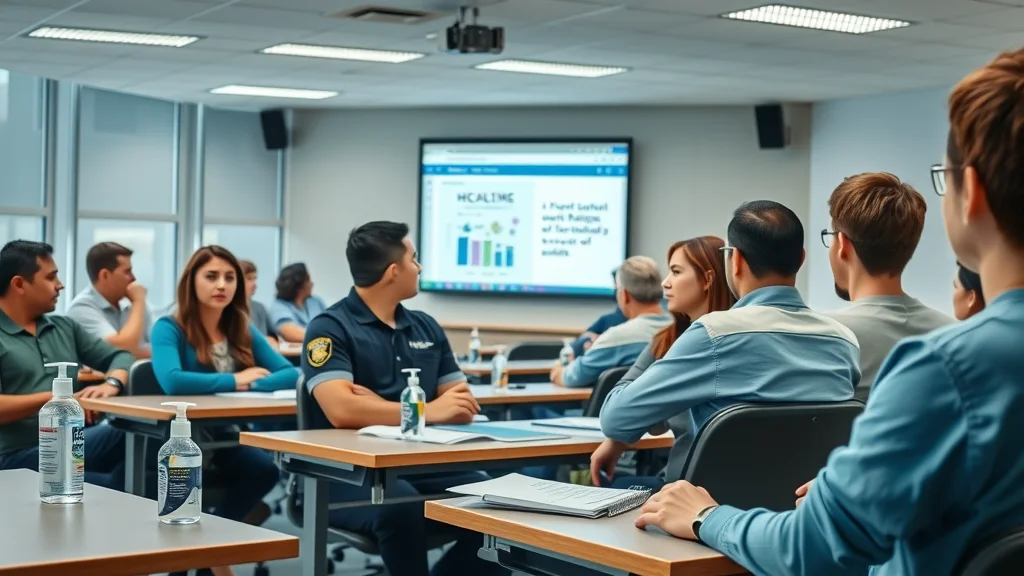
South Carolina schools have adopted a multi-layered approach in tackling the outbreak. The video above highlights dedicated response teams establishing on-site vaccination drives, as well as educational efforts for both students and families. Colleges and universities in South Carolina are prioritizing actionable updates, using digital communication, on-campus town hall meetings, and active participation across departments—from the school of law to the school of medicine faculties.
Parents and caregivers are encouraged to participate in community sessions, which are being held across public schools, technical colleges, and other educational settings. This grassroots involvement ensures that everyone—students at the island campus, faculty and staff from rock hill to north charleston, and administrators at the medical university of south carolina—is empowered to act swiftly in the face of health emergencies.
Prevention and Control Measures in South Carolina Schools
Vaccination drives in south carolina schools and technical college campuses
Campus health updates in universities in south carolina
Emergency preparedness among colleges and universities
Ongoing vaccination campaigns have become the cornerstone of outbreak control across South Carolina's diverse educational landscape. Regular immunization drives are conducted in school health offices, technical college lecture halls, and university wellness centers. These efforts have been further intensified on campuses like Clemson University and the University of South Carolina, providing students—and even local community members—access to vital health resources.
Simultaneously, south carolina schools consistently update students and faculty about the latest health guidelines through campus-wide alerts, newsletters, and scheduled wellness events. Emergency preparedness protocols, previously established in collaboration with the department of health, are continuously refined based on the evolving situation. Colleges and schools are ensuring that personalized instruction can continue even for those placed under temporary quarantine, with online learning modules and support resources made readily available.
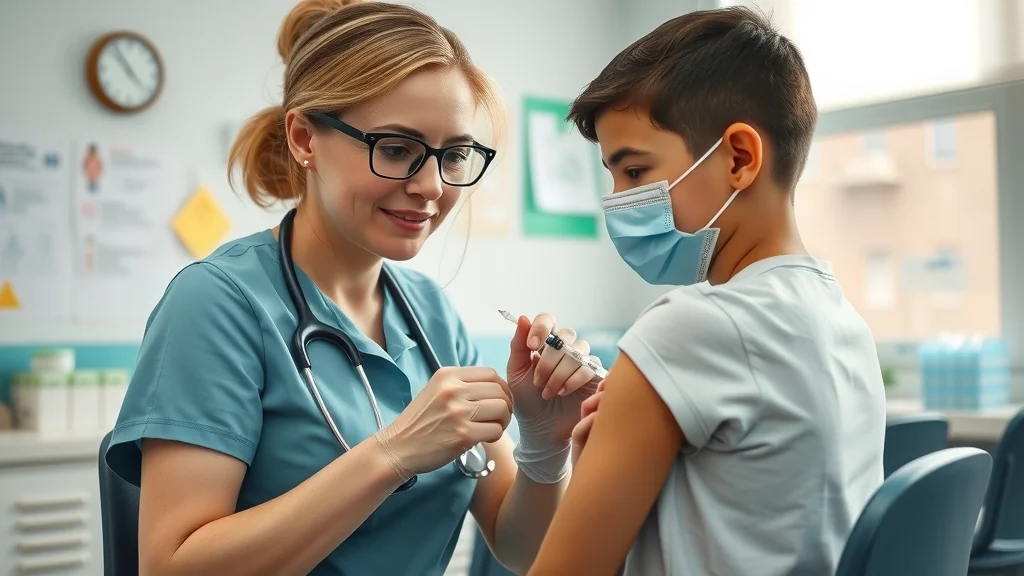
"We are working closely with all schools and universities in South Carolina to ensure the outbreak is quickly contained," stated Dr. Mark Ingram, Director of SC Public Health.
People Also Ask About South Carolina Schools and the Recent Measles Outbreak
Does South Carolina have a good school system?
South Carolina schools offer a diverse range of educational experiences, from robust STEM programs at the college of charleston to strong community engagement in public high schools. While some schools and universities in south carolina have earned national recognition, the state’s overall performance varies significantly by district and funding allocation. Technical college programs and university campuses like the university of south carolina have improved outcomes in certain areas, yet challenges remain—particularly in rural regions and in addressing emerging health issues such as the recent measles outbreak.
The current health crisis shines a light on the strengths and vulnerabilities of educational systems in the state. Collaborative responses among colleges, universities, and school districts demonstrate the potential for growth and resilience when facing unexpected public health threats.
Where is SC ranked in education?
South Carolina is often ranked in the lower half among U. S. states for K–12 education, though higher education institutions like Clemson University and the medical university of south carolina receive positive national attention. Rankings are shaped by a combination of standardized test scores, college readiness, faculty and staff support, extracurricular opportunities, and now, crisis management capabilities. Continued investment in teacher training, personalized instruction, and health infrastructure is needed to move the state higher in national standings and to ensure all students—whether at a technical college or a suburban elementary school—have equitable opportunities.
What is the #1 school district in South Carolina?
The top-ranked school district in South Carolina often changes year to year, but districts in areas like Charleston, Clover, Fort Mill, Greenville, and Beaufort and Hilton Head frequently perform well in educational assessments. These school districts benefit from greater resources, leadership commitment, and active community involvement. The recent outbreak has shown that even the strongest districts must maintain adaptability and close ties with public health departments, technical college, and universities to safeguard the well-being of all students.
What is the biggest risk of living in South Carolina?
The most significant risks in South Carolina generally involve severe weather events, such as hurricanes—particularly for communities near the head island and Hilton Head Island campus—as well as emerging public health threats like the current measles outbreak. These events highlight the need for robust emergency preparedness and ongoing surveillance within local schools, universities, and technical colleges. Building resilience means ensuring effective communication, up-to-date vaccination programs, and readiness to respond rapidly to any crisis affecting the state’s families and educational communities.
Key Takeaways from Measles Cases in South Carolina Schools
The recent outbreak highlights vulnerabilities in south carolina schools health protocols.
Strong collaboration among public schools, technical colleges, and universities in south carolina is vital.
Increased community awareness and vaccination are the most effective prevention tools.
Ongoing surveillance is key to controlling further spread.
FAQs: South Carolina Schools and Health Safety
-
How many measles cases have been reported at universities in South Carolina?
Currently, 10 confirmed cases have been reported across major universities in South Carolina, including Clemson University and the University of South Carolina. These numbers are carefully tracked by campus health teams and the state’s Department of Health to support containment efforts.
-
Are technical colleges in South Carolina mandating vaccinations?
Most technical college campuses now strongly encourage vaccinations as part of enrollment, while some have implemented temporary mandates for students, faculty, and staff involved in on-campus activities due to the outbreak.
-
What support is available for students affected by the outbreak?
Support includes access to campus health services, remote learning/campus housing adjustments, and platform-based counseling for impacted students at technical college, university, or public school levels.
-
How can families stay informed about school health issues?
Families can receive the latest updates through school district websites, direct notifications, campus alerts, and regular communications from public health authorities working with South Carolina schools and colleges.
Next Steps: How to Learn More and Stay Protected in South Carolina Schools
Stay updated by following school and health department bulletins, encourage vaccination for all eligible family members, and participate in community awareness events hosted by your local school, technical college, or university. Empower yourself and your community to stay safe.



Write A Comment